China Blames Philippines for Ship Collision Near Iron Line Reef, Vows Firm Response 🚢
Tensions escalate as China accuses Philippine vessels of illegal intrusion and collision near Iron Line Reef, warning of serious consequences.

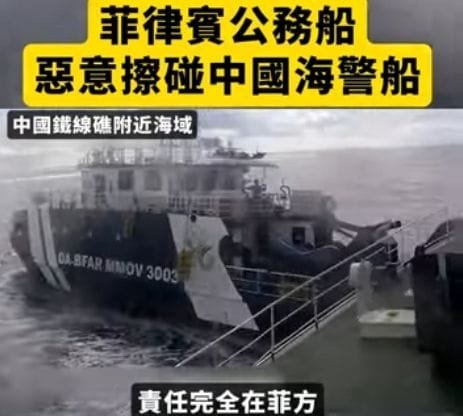
Understanding the Incident Near Iron Line Reef
On October 12th, 2023, a maritime incident sparked increase in tensions between China and the Philippines. Chinese Coast Guard spokesperson Liu Dejun announced that two Philippine public service vessels, numbered 3002 and 3003, entered waters near the Nansha Islands’ Iron Line Reef without Chinese permission. According to China, the situation escalated when Philippine vessel 3003 dangerously approached Chinese Coast Guard vessel 21559, ignoring multiple warnings, which resulted in a collision.
Who’s at Fault? China's Firm Stance
China places full responsibility on the Philippine side for the collision and the illegal intrusion into what China asserts are its sovereign waters. The Chinese authorities claim their coast guard actions were lawful, standardized, and necessary to protect their maritime rights and sovereignty. This incident, according to China's official statements, is a clear violation of the Declaration on the Conduct of Parties in the South China Sea, which aims at promoting peace and stability in the region.
China emphasizes that the Nansha Islands and surrounding waters, including the Iron Line Reef, fall under China's indisputable sovereignty. The Philippine intrusion and collision are harshly criticized as severe infringements that threaten regional peace.
What Does This Mean for Regional Stability?
The collision at Iron Line Reef is more than just a maritime accident; it is a spark in the long-running, complex dispute over sovereignty in the South China Sea. This area is strategically critical and rich in natural resources, making territorial claims hotly contested. Incidents like this often serve to heighten mistrust and escalate tensions between neighboring countries.
China’s warning that it will "firmly protect its rights" and conduct law enforcement within its jurisdiction sends a strong message: maritime disputes here are far from being resolved quietly. Such events put peace and stability in the region on thin ice, raising international concern.
The Philippines' Perspective and What Comes Next
While China blames the Philippines for illegal actions, the latter often points to complicated historical claims and challenges China's expansive territorial assertions. The Philippines may seek diplomatic or international legal channels to address grievances. However, at sea, incidents of this kind can happen suddenly, with real risks to safety and diplomatic relations.
Moving forward, both sides face the challenge of managing their sovereignty claims without triggering further conflict. Dialogue, mutual respect of international law, and adherence to regional agreements are critical to preventing future collisions near contested maritime zones like Iron Line Reef.
Why Should You Care?
You might wonder why a ship collision far away matters to us. The South China Sea is a vital global trade route—about one-third of the world's shipping passes through these waters. Instability here can ripple worldwide, affecting economies, international relations, and global security.
Keeping an eye on developments in this region is key to understanding how geopolitical tensions evolve and possibly influence broader international affairs. 🌏🚢
In conclusion, this incident is a vivid reminder that territorial disputes, if not carefully managed, can quickly escalate. As China and the Philippines hold firm on their positions, the world watches for diplomatic efforts to keep peace in one of the planet’s most volatile maritime theatres.