China Evergrande Officially Delisted from Hong Kong Stock Exchange

What Led to Evergrande’s Delisting?
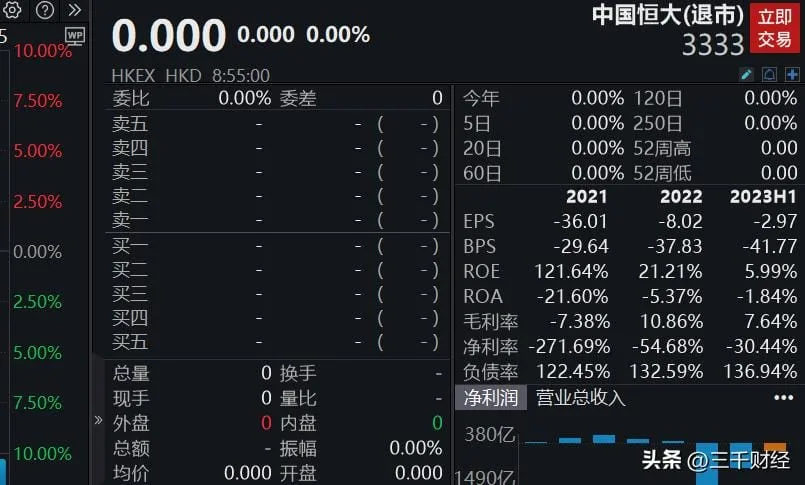
China Evergrande Group, once one of the largest property developers globally, has officially vanished from the Hong Kong Stock Exchange as of August 25th, 2025. This move caps off a long saga of financial struggles, debt defaults, and market uncertainty. The company announced that its shares would cease trading after August 22nd, with no plans to appeal or reverse the delisting.
For investors and the global market, this development raises important questions about the future of China's real estate sector, financial regulatory controls, and the ripple effects on international investors. The withdrawal of Evergrande is neither an isolated event nor a simple corporate delisting. It symbolizes deeper, systemic challenges lurking below the surface.
Implications for Investors and Markets
The delisting means Evergrande shares will no longer be publicly traded, essentially rendering current shareholders unable to easily liquidate their positions. This understandably triggers concern among investors regarding the recoverability of their investments.
Moreover, the event has sparked fears over how many other Chinese developers may face similar fates, potentially causing more volatility in global stock markets tied to China’s growth story. It also calls into question the robustness of financial regulations and transparency within emerging markets.
What Does This Mean for China's Economy?
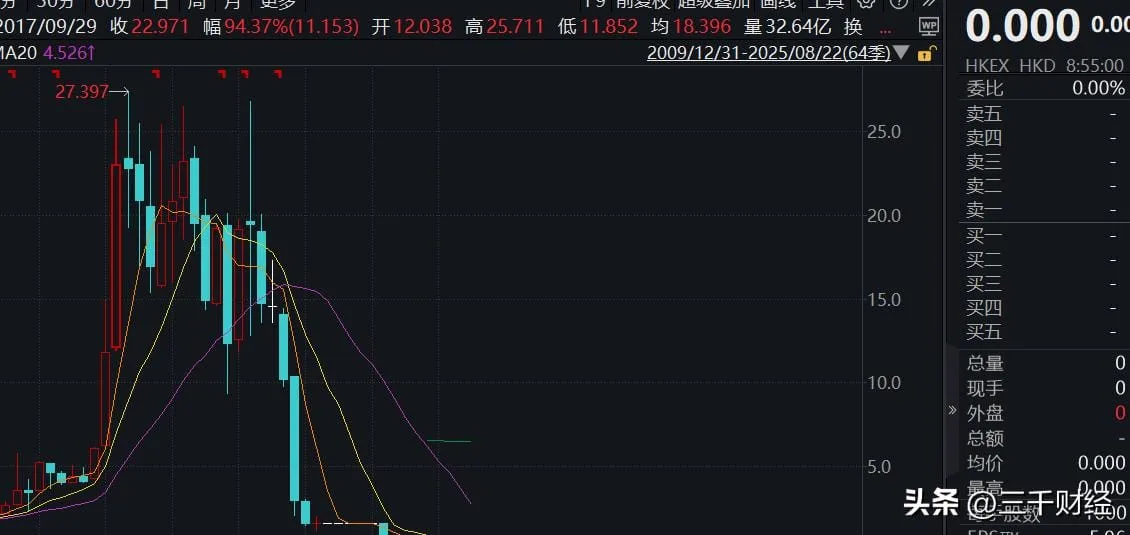
Evergrande was once a symbol of China's rapid urban expansion and economic boom. Its collapse and delisting force us to confront the challenges facing the country’s real estate market, including high corporate debt levels, slowing economic growth, and stricter government scrutiny.
How will the government balance between economic stability and necessary market corrections? The Evergrande case shines a spotlight on the delicate dance between aggressive growth and sustainable financial health.
The Bigger Picture: Lessons Learned
This case serves as a warning to global investors and regulators alike. It emphasizes the importance of due diligence, the risks inherent in high-leverage companies, and the unpredictability of markets influenced by complex geopolitical and economic factors.
In short: Evergrande's delisting is not just a headline; it’s a cautionary tale about risk, regulation, and the evolving realities of global finance. 📉