China's Iron Battery Revolution: 80x Cheaper, 16 Years of Life
Every few months, the Chinese internet catches fire over a miracle battery technology that will supposedly render lithium obsolete. This week's contender: an iron-based battery that costs 80 times less than lithium-ion and supposedly lasts 16 years.
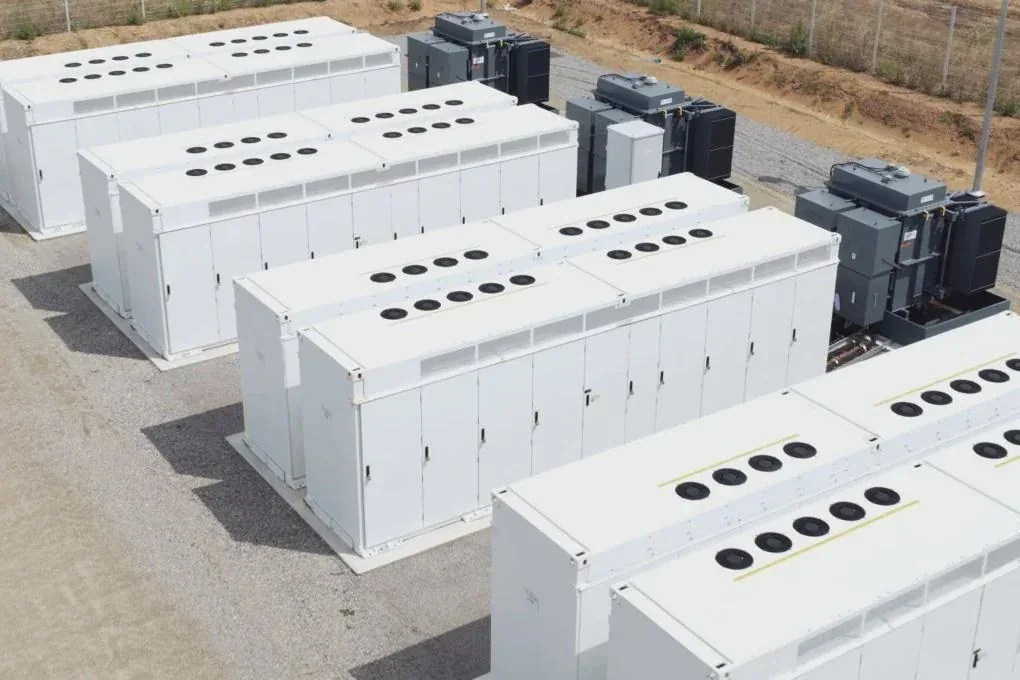
The claim, currently circulating furiously on Toutiao (今日头条) and Weibo (微博), traces back to research from Chinese institutions working on iron-air and iron-flow battery chemistries. The headline numbers are intoxicating: replace expensive, geopolitically fraught lithium with literally one of the most abundant elements on Earth, slash costs by orders of magnitude, and create batteries that outlast your mortgage.
But here's where it gets genuinely interesting — and where the hype meets the hardware reality that China's tech ecosystem is actually building.
The Iron Age of Energy Storage
Iron-based batteries aren't new. The concept has existed for decades. What is new is the scale at which Chinese researchers and companies are pushing them toward commercial viability. The current excitement centers on iron-air battery technology, which uses iron as the anode and oxygen from the air as the cathode — effectively "breathing" like a fuel cell.
The cost advantage is real at the chemistry level. Iron costs roughly $0.10 per kilogram. Lithium carbonate has fluctuated between $10,000 and $80,000 per ton over the past three years. Even accounting for manufacturing, electrolytes, and system integration, iron-based storage fundamentally operates on a different cost plane.
The 16-year lifespan claim comes from the cycle stability of iron-based chemistries in laboratory conditions. Some iron-flow battery variants have demonstrated 10,000+ cycles with minimal degradation. At one cycle per day, that's 27 years — so 16 years is actually conservative if the chemistry holds up in real-world conditions.
Why China Specifically?
This is where the story becomes less about chemistry and more about China's industrial strategy. Three factors converge:
First, China controls roughly 60% of global lithium processing but imports the vast majority of raw lithium from Australia and South America. Iron eliminates that supply chain vulnerability entirely — China has abundant domestic iron reserves.
Second, the demand side is existential. China's AI infrastructure buildout — the massive GPU clusters running DeepSeek (深度求索), Qwen/Tongyi (通义千问), and dozens of other large language models — requires staggering amounts of electricity. Data centers already consume roughly 3% of China's total electricity, and that figure is doubling every few years. Grid-scale storage isn't optional; it's the bottleneck for the entire AI economy.
Third, China's humanoid robotics push creates another massive battery demand vector. Companies like Unitree (宇树科技), Fourier (傅利叶), and UBTech (优必选) are all battling runtime limitations. Current lithium-ion packs give humanoid robots roughly 2-4 hours of operation. Cheaper, longer-lasting batteries would transform the economics of commercial robotics deployment.
The Hype Thermometer
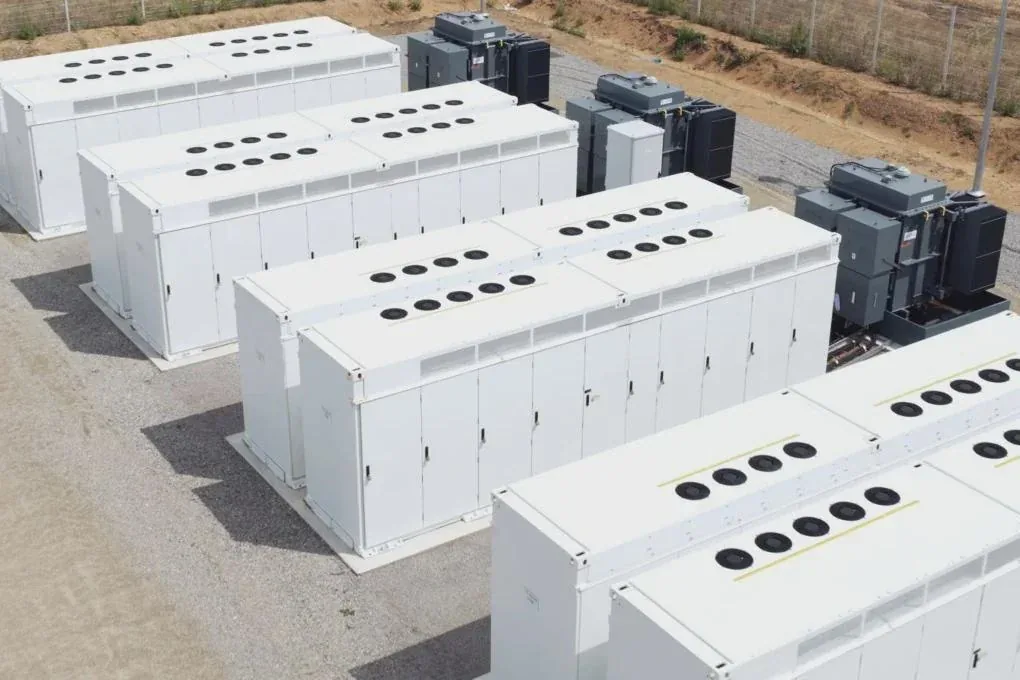
Now for the cold water. The "80 times cheaper" headline, while technically defensible at the cell-chemistry level, collapses somewhat when you account for system-level costs. Iron-air batteries have lower energy density than lithium-ion — roughly 100-200 Wh/kg versus 250-300 Wh/kg for current lithium cells. They're heavier and bulkier per unit of stored energy. This makes them viable for stationary grid storage but problematic for mobile applications.
Your phone won't have an iron battery. Your robot might not either, at least not in its current form. But the server farm training the next Kimi (月之暗面) model? The warehouse robots from Agibot (智元) running 24/7 shifts? The base stations powering China's 5G network? Those are all stationary or quasi-stationary applications where weight matters less than cost and longevity.
The 16-year durability claim also deserves scrutiny. Laboratory cycle testing under controlled conditions doesn't automatically translate to field performance. Temperature extremes, manufacturing consistency, and electrolyte degradation all introduce variables that typically reduce real-world lifespans by 20-40%.
What the Chinese Internet Gets Right and Wrong
The Toutiao comment sections reveal something fascinating about Chinese tech discourse. There's genuine excitement about energy independence — the idea that China could build its entire renewable energy infrastructure on domestically sourced materials. Multiple top-voted comments reference China's "lithium trap" vulnerability and celebrate iron as liberation.
But there's also a strain of performative techno-nationalism that oversells immediate commercial viability. Several posts confuse laboratory demonstrations with manufacturing scale, a conflation that Chinese state media sometimes encourages. The journey from lab to gigafactory is typically 5-10 years, not 5-10 months.
The smartest takes come from commenters who connect iron batteries to China's broader storage strategy. China installed roughly 23 GW of new energy storage in 2024, a 200% year-over-year increase. Most of that was lithium-ion. If iron-based technologies can capture even 30% of new installations by 2030, the total cost savings would exceed $50 billion annually.
The Real Play: Grid Dominance
Here's the angle most Western coverage misses. China isn't just developing iron batteries for domestic use. The country is positioning itself to dominate global energy storage manufacturing the same way it dominates solar panel production. Chinese companies already manufacture over 80% of the world's lithium-ion battery cells.
Iron-based storage, with its dramatically lower input costs and simpler manufacturing requirements, could be the technology that extends Chinese battery dominance into markets currently priced out of lithium-ion solutions — developing nations, remote microgrids, and industrial-scale backup systems.
If the cost claims hold at scale, Chinese iron batteries could achieve what Chinese solar panels achieved: making a critical green technology so cheap that competing becomes economically irrational.
The 16-year lifespan matters here enormously. For utility-scale buyers in emerging markets, a storage system that lasts 16 years versus 8 years isn't just twice as good — it fundamentally changes the financial model, potentially eliminating the need for mid-life battery replacement entirely.
Bottom Line
China's iron battery moment is real but arrives with the usual caveats about lab-to-factory translation. The technology won't replace lithium in phones or laptops anytime soon. But for the massive, growing, strategically crucial market of grid-scale energy storage — the invisible backbone powering China's AI ambitions, robotic workforce, and renewable transition — iron might just be the element that changes everything.
The Chinese internet's excitement is warranted. The timeline, as always, is the question.