China Tops Global Food Waste: Over 100 million Tons Discarded Annually
China discards over 108 million tons of food annually, raising critical questions about sustainability and the urgent need to reduce global food waste.

The Staggering Scale of Food Waste in China
China discards over 108 million tons of food each year, making it the world's largest contributor to food waste by volume. To put this into perspective, this amount of wasted food could feed an estimated 50 million people annually — that's more than the population of many countries combined! 😱
Though the per capita waste is similar to that of the United States, with China at roughly 76 kg/person and the US at 71 kg/person, the sheer population size of China multiplies the issue to a global scale. This raises important questions about the sustainability of current consumption and waste habits in the world's most populous nation.
Why Does Food Waste Matter So Much?
Food waste is not just an economic or moral issue; it has serious environmental consequences. Globally, approximately 40% of all food produced never gets eaten, totaling around 1.3 billion tons annually. When food decomposes in landfills, it emits methane — a greenhouse gas 25 times more potent than carbon dioxide. Food waste is responsible for approximately 8% to 10% of global greenhouse gas emissions. 🌍
This means that throwing away food isn't just about the money lost or hunger neglected — it’s a significant driver of climate change. When we waste food, we're also wasting the water, energy, and labor that went into producing it.
Where Does Most of China's Food Waste Come From?
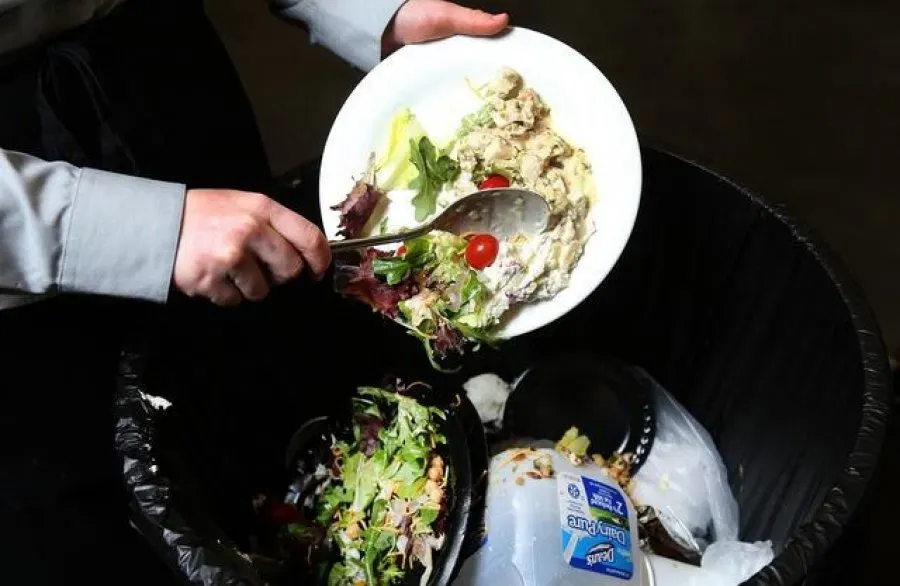
In China's urban centers, the primary source of food waste comes from consumers themselves, particularly in restaurants and workplace canteens. Studies suggest that up to 90% of consumer-stage waste originates here. Food scraps from large cities alone exceed 19 million tons annually, highlighting the urgent need for change in dining habits and food service management. 🍽️
The “Clean Plate Campaign,” launched by the Chinese government, encourages citizens to avoid leaving food uneaten. Coupled with the recent anti-food waste law, these initiatives target cultural shifts towards valuing every grain of rice. However, changing habits isn't an overnight process, and enforcement remains challenging.
Can Individual Actions Make a Difference?
Absolutely! While policy and corporate accountability are crucial, individual choices can collectively drive change. Each time you shop responsibly, cook wisely, and finish your plate, you contribute to reducing waste. Imagine if just 10% of the food wasted in China or worldwide were saved — the environmental benefits would be tremendous. 🍳
Repurposing leftovers, composting food scraps, and supporting local food redistribution programs help reduce the volume of discarded food. Every small effort counts when the numbers are this large.
The Bigger Picture: Global Food Waste Solutions
China’s challenge mirrors a global crisis that demands international cooperation and innovation. Technology, like smart packaging, food tracking apps, and improved supply chain logistics, can reduce waste dramatically. Governments and businesses must work hand in hand with consumers to transform how food is valued and handled throughout the supply chain.
In the end, solving food waste is about more than just saving food; it’s about preventing unnecessary environmental damage, combating hunger, and fostering a more sustainable future for all. 🌱