Gold Just Tanked and China's Internet Is Spiraling
Something funny happened on the way to the gold shop. Chinese netizens — the same people who've been hoarding gold like it's bottled water before a typhoon — woke up to headlines screaming about a gold price crash, and now Toutiao (今日头条), China's answer to a Drudge Report with 300 million daily users, is absolutely on fire about it.
The trending headline? 「阿联酋退出欧佩克 黄金为何暴跌」 — roughly: "UAE quits OPEC — so why is gold getting annihilated?" with a scorching hot score of 13.5 million. When commodity markets sneeze, China's internet catches a cold. But this isn't just financial news nerds geeking out over candlestick charts. This is cultural.
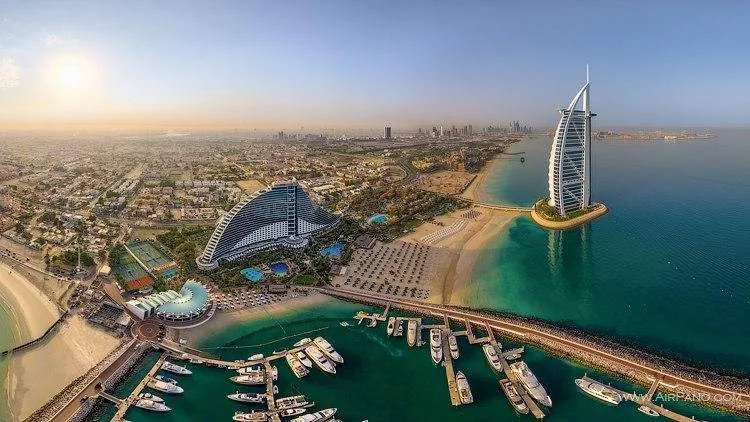
First, the backstory. Rumors swirled (since walked back) that the United Arab Emirates might bolt from OPEC, the oil cartel that basically dictates how much crude gets pumped onto global markets. If UAE — OPEC's third-largest producer — actually left, it would signal a fracturing of the cartel's discipline, potentially flooding the market with oil. Cheap oil = stronger dollar. Stronger dollar = gold gets hammered. Simple cause and effect, right?
Well, not exactly. But that's not the point.
The point is that China is obsessed with gold.
Not in the way Wall Street traders are obsessed — analytical, detached, spreadsheet-driven. No. China's relationship with gold is emotional, generational, almost spiritual. Chinese grandmothers — the legendary 中国大妈 (zhōngguó dàmā, literally "Chinese aunties") — became a global meme in 2013 when they went on a gold-buying spree so massive they reportedly moved 300 tons of gold in weeks, temporarily arresting a global price crash. Goldman Sachs literally issued a note about them. These aunties didn't read Barron's. They didn't care about Federal Reserve minutes. They walked into jewelry shops across Shanghai, Beijing, and Guangzhou and cleaned the place out.
That cultural memory hasn't faded. If anything, it's intensified.
Gold shops in China are like Starbucks in Manhattan — you can't walk two blocks without seeing one. Brands like Chow Tai Fook (周大福), Lao Feng Xiang (老凤祥), and Chow Sang Sang (周生生) have become retail empires built on the Chinese conviction that gold = safety, gold = prosperity, gold = the only thing that won't evaporate when the next crisis hits. During COVID lockdowns, gold sales surged. During the property market meltdown of 2023-2024, gold sales surged. During literally any moment of economic uncertainty, Chinese consumers buy gold. It's their version of bug-out bags.
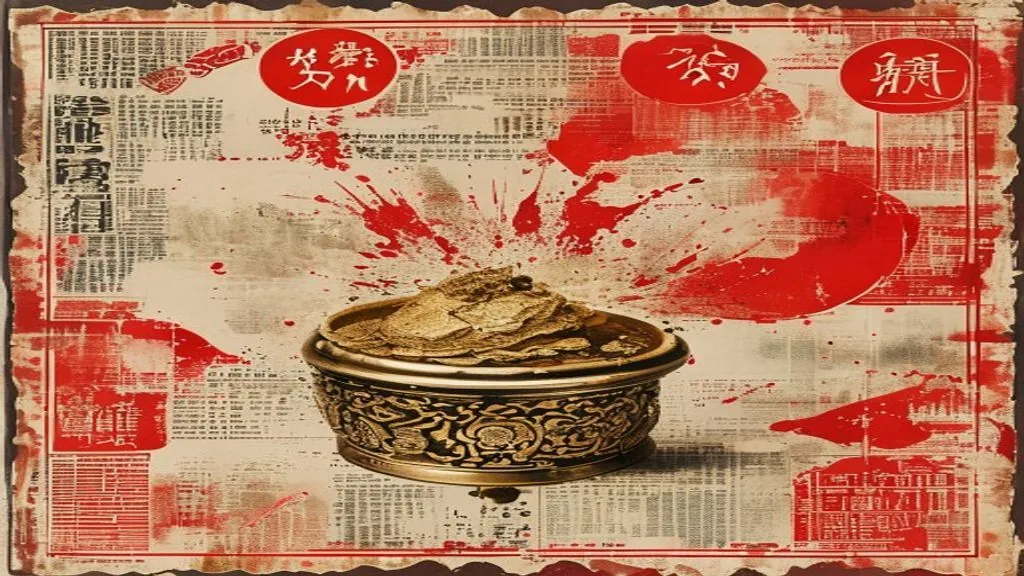
So when Toutiao pushes a headline about gold crashing to 13.5 million hotness points, it's not just market news — it's existential dread translated into clicks.
The comment sections are where it gets real. Toutiao's user base skews older, more working-class, more 小城市 (small city/tier-3/4) than Douyin's youthful audience. These are people who've parked their savings in gold because they don't trust the stock market (Shanghai Composite has been a punchline for years), don't trust property anymore (Evergrande-induced trauma is real), and definitely don't trust the bank deposit rates hovering near all-time lows. Gold was supposed to be the safe haven.
And now it's dropping? Because some Gulf state might leave an oil cartel? This is what passes for market logic?
You can feel the frustration leaping off the screen.
But here's what's actually interesting — and what most Western coverage misses. This Toutiao moment reveals something fundamental about how Chinese retail investors process information. There's no sophisticated macro analysis happening. No one's debating the petrodollar recycling mechanism or UAE's compliance with OPEC+ production quotas. It's raw, emotional, narrative-driven investing. "Gold always goes up" is the article of faith. When it doesn't, the dissonance creates viral content.
And the algorithmic amplification is chef's kiss. Toutiao's recommendation engine — built by ByteDance (字节跳动), the same company behind TikTok/Douyin (抖音) — doesn't care whether the UAE actually leaves OPEC. It cares that 13.5 million engagement points say this headline pushes buttons. Fear sells. Financial fear sells even better.
The irony? Gold hasn't even crashed that badly. We're talking about a pullback, not a bloodbath. But in a market where Chinese consumers bought a record 1,089 tons of gold in the first three quarters of 2024 — according to the World Gold Council, with China's central bank itself adding to reserves for 18 consecutive months — even a modest dip feels seismic.
What this says about Chinese internet culture in 2025:
Financial anxiety is the dominant emotional register. Property's dead. Stocks are suspect. Crypto's been cracked down on (though still traded). Gold was the last refuge. Even thinking about that refuge cracking triggers viral panic.
Toutiao remains the pulse of middle China. Not the tech-bro Weibo (微博) crowd. Not the Gen Z Bilibili (B站) memelords. Toutiao captures what the 35-60 demographic in tier-2/3/4 cities actually cares about — and right now, that's whether their gold hoard is safe.
Global commodities are now Chinese internet culture. OPEC drama, Fed rate decisions, US dollar movements — these aren't abstract macro topics anymore. They're trending content. Chinese retail investors have become so significant in gold markets that their sentiment is the market.
The algorithm doesn't distinguish between news and anxiety. ByteDance's recommendation engine amplifies engagement, not accuracy. A scary headline about gold crashing gets pushed harder than a nuanced explainer about why the UAE rumor is overblown.
My take? Gold will be fine. The UAE isn't leaving OPEC anytime soon — the rumor was overblown. But Chinese consumers' faith in gold as an impregnable fortress of value? That faith is being tested. And every time it gets tested, Toutiao lights up like a Christmas tree.
The real story isn't the gold price. It's that 13.5 million Chinese internet users just collectively experienced a moment of financial vertigo — and the algorithm was right there to catch them, amplify them, and serve them more content about it.
Welcome to commodity markets in the age of Toutiao. The 中国大妈 are watching. And they've got notifications turned on.