China's Lisuan Tech Just Crashed the GPU Big Leagues
Here's something that would've been unthinkable five years ago: a Chinese GPU startup just walked into the most exclusive club in graphics processing, and nobody outside Shenzen seems to have noticed.
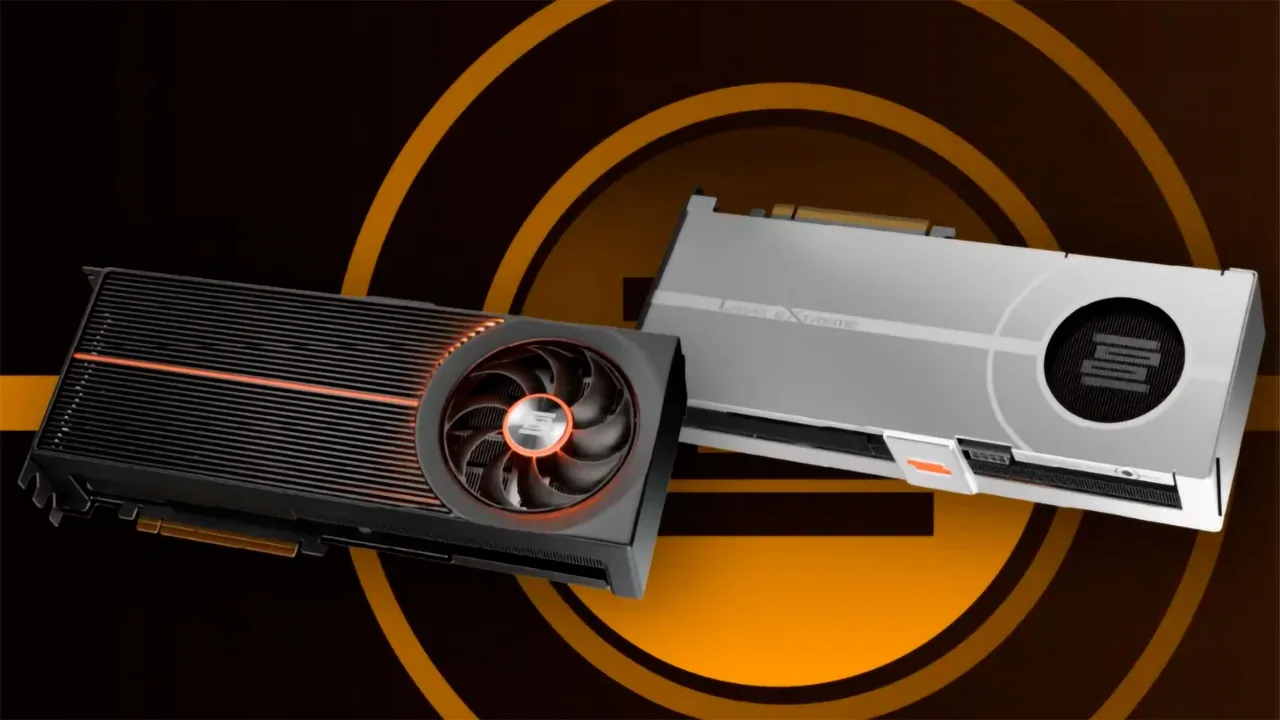
Lisuan Tech (砺算科技) — a company literally nobody in the West was tracking — just became only the fourth GPU maker in history to earn Microsoft's WHQL (Windows Hardware Quality Labs) certification. That's the gold standard for Windows driver compatibility. The club: Nvidia. AMD. Intel. And now, a Shenzhen-based outfit most people have never heard of.
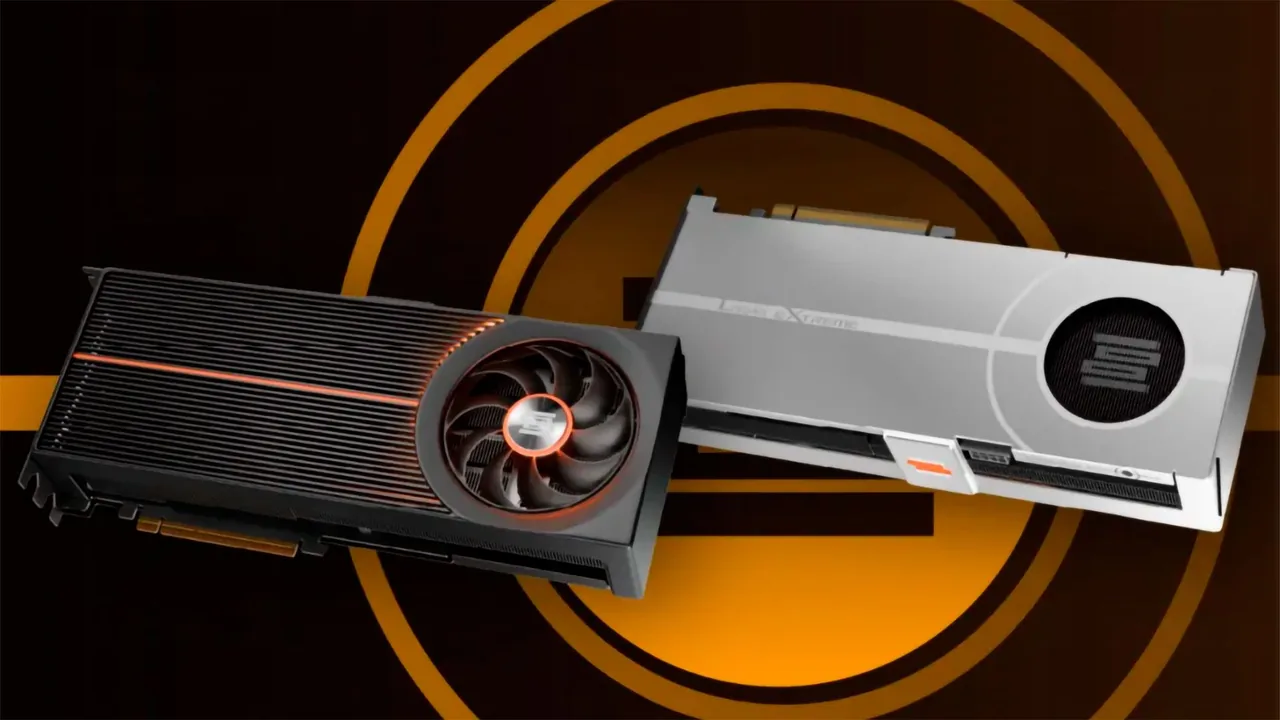
Their LX 7G100 GPU crossed the WHQL finish line, making it the first Chinese-designed graphics processor to earn this particular badge of honor. Let's talk about why this matters way more than the tech press is giving it credit for.
What WHQL Actually Means (And Why It's a Big Deal)
WHQL certification isn't some participation trophy. It means Microsoft has tested your drivers and confirmed they won't turn someone's Windows workstation into a very expensive paperweight. For enterprise customers — the ones actually buying GPUs for data centers and workstations — it's table stakes. No WHQL? No serious procurement conversation.
That Lisuan managed this is genuinely remarkable. The driver stack for a modern GPU is arguably harder to build than the silicon itself. We're talking millions of lines of code handling everything from memory management to shader compilation to power state transitions — all while playing nice with Windows' kernel. Nvidia's driver team alone is reportedly thousands of engineers deep.
For context on how hard this is: Moore Threads (摩尔线程), the better-known Chinese GPU startup founded by former Nvidia China chief Zhang Jianzhong, has been at this for years and hasn't landed WHQL yet. Biren Technology (壁仞科技) and MetaX (天数智芯) are still working through their own driver maturation. Lisuan just leapfrogged all of them.
The LX 7G100: What We Know
Details on the LX 7G100 remain somewhat sparse, which tracks with how Lisuan has operated — heads down, minimal hype, maximum engineering. What we do know: it's targeting the workstation and server GPU market, not gaming (though full specifications haven't been publicly detailed). The chip is manufactured on a mature node, which means it's not trying to compete with Nvidia's latest on raw performance metrics.
And that's probably smart. The play here isn't to beat Nvidia at their own game. It's to be good enough for a massive domestic market that desperately needs GPU alternatives — and to have the software stack to actually ship.
This is the lesson that Chinese GPU startups have been learning the hard way. Raw compute numbers are meaningless if your drivers crash Maya or your OpenGL implementation has more bugs than a Shanghai summer. WHQL says, at minimum, that you've cleared a bar that real software runs on your hardware without exploding.
The Sanctions Elephant in the Room
You can't talk about Chinese GPU development without acknowledging the export controls that have reshaped the entire landscape. Since the US began restricting advanced GPU sales to China in late 2022 — kneecapping Nvidia's ability to sell A100 and H100 chips to Chinese cloud providers — there's been an existential push to build domestic alternatives.
Huawei's Ascend (昇腾) line has emerged as the most visible contender, particularly for AI training workloads. But Ascend chips are designed primarily for inference and training accelerators, not general-purpose GPU computing. There's a whole ecosystem of workstation, rendering, and visualization workloads that still need something that looks and quacks like a traditional GPU.
That's the gap Lisuan is aiming at. And getting WHQL certified is exactly the kind of boring, unglamorous infrastructure work that actually matters for ecosystem credibility. It's one thing to demo a chip at a trade show. It's another to have Microsoft vouch that your drivers won't blue-screen someone's Windows Server installation.
Why This Story Isn't Getting More Attention
Part of the reason this flew under the radar is that Lisuan isn't a hype-driven company. In the Chinese GPU space, Biren raised billions before running into US sanctions headaches. Moore Threads went on a PR offensive early. MetaX partnered with AMD. Everyone was chasing headlines.
Lisuan just... kept its head down and wrote drivers. For years. And now they have the certification to show for it. There's almost certainly a lesson here about the value of engineering-first culture in a space where marketing has been running way ahead of technical reality.
The other reason is sheer Western dismissal. The assumption in Silicon Valley is that Chinese GPU efforts are years behind and will stay that way. Maybe that's true on the bleeding edge — nobody in Shenzhen is threatening Nvidia's H200 training dominance tomorrow. But the workstation and mid-range GPU market is enormous, and "good enough" with local support and no sanctions risk is a powerful value proposition for Chinese enterprise buyers.
The Bigger Picture: China's GPU Stack Is Maturing
Lisuan's WHQL certification is a single data point, but it fits into a broader pattern. China's GPU ecosystem is slowly, painfully, building real technical depth. Huawei Ascend chips are running in production at major Chinese cloud providers. Moore Threads has been iterating on its graphics drivers. Cambricon (寒武纪) is pushing AI inference silicon.
None of these companies are about to dethrone Nvidia. But that's the wrong benchmark. The question is whether they can serve 70-80% of domestic workloads at acceptable performance levels while being immune to US export controls. On that metric, progress is real and accelerating.
WHQL certification for Lisuan means one more piece of that puzzle has clicked into place. The software ecosystem now has another validated target. Enterprise procurement teams have another option. And the message to every other Chinese GPU startup is clear: the driver work matters. Do the unglamorous thing. Get the certification. Ship software that actually works.
For a Western tech establishment that's been confidently predicting Chinese semiconductor failure, this is another small but meaningful reminder that counting out a determined engineering culture with essentially unlimited domestic demand is a risky bet. Lisuan Tech just joined a club with three members. Whatever you think about the odds, they're now sitting at the table.
The question isn't whether Chinese GPUs will match Nvidia's best. It's whether they'll be good enough for China — and on that front, the answer is increasingly looking like yes.