Silicon Valley's Dark-Money China AI Panic Is Peak 2026
Oh, the irony. It's so thick you could spread it on a Shandong (山东) flatbread.
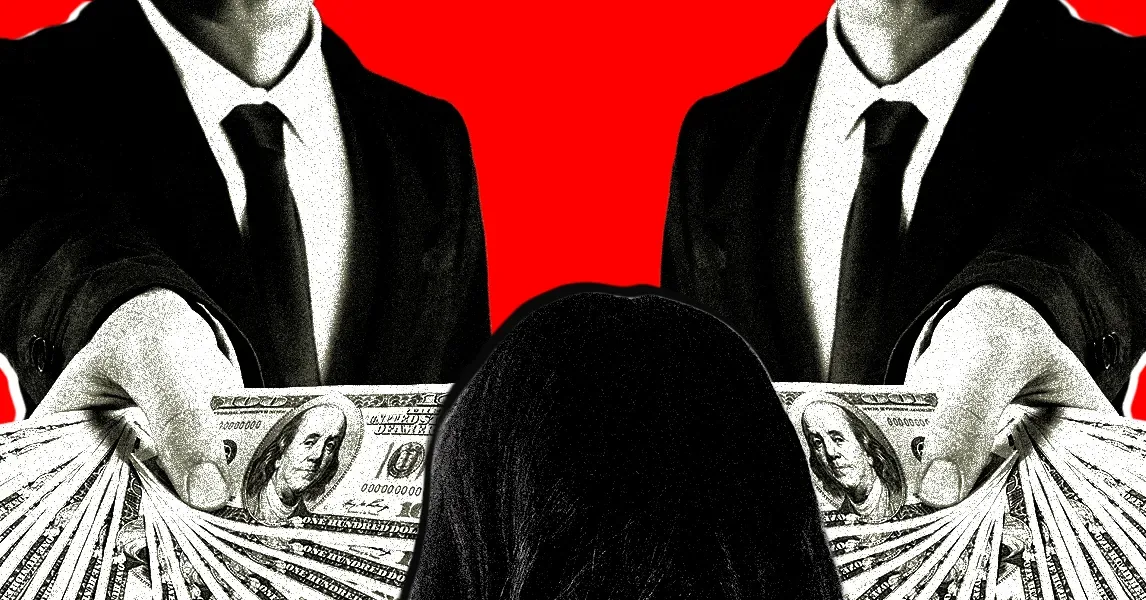
Wired just dropped a banger investigation revealing that "Build American AI" — a nonprofit linked to a super PAC bankrolled by executives at OpenAI and Andreessen Horowitz — has been quietly paying TikTok influencers to stoke fear about Chinese AI. The message: be terrified of Beijing's algorithms, and oh-by-the-way, America needs to pour even more money into domestic AI development. Cue the world's smallest violin playing a symphony for Sam Altman's fundraising ambitions.
Let's unpack this glorious mess, because it tells us something real about where the AI arms race actually stands — and it's not what the sponsored content wants you to believe.
The Campaign: TikTok Influencers Selling Fear
Here's the setup: Build American AI, which Wired describes as a nonprofit associated with a super PAC called "Build America's Future," has been funneling money to content creators on TikTok (yes, that TikTok — the one American politicians keep threatening to ban) to push pro-US-AI messaging and frame Chinese AI as an existential threat.
The donors reads like a who's-who of Silicon Valley's heaviest hitters: executives from OpenAI and Palantir reportedly among the backers. Andreessen Horowitz, the venture firm that can't stop tweeting about "techno-optimism," apparently decided the best way to be optimistic about technology was to pay teenagers to tell their followers that Chinese AI is coming for their jobs, their data, and probably their homework.
You couldn't write satire this good. The same platform that Congress keeps waving national security flags about is now being used — by the national security crowd's favorite tech companies — to manufacture consent for more AI spending. It's influencer marketing, but for the military-industrial complex.
What Chinese AI Actually Looks Like Right Now
Here's what the paid influencers won't tell you: Chinese AI labs are too busy shipping products and fighting each other to bother with whatever existential threat narrative is trending on American TikTok.
DeepSeek (深度求索) dropped its V3 model in late 2024 and proceeded to make OpenAI's pricing look embarrassing — offering competitive performance at a fraction of the cost. The open-source release sent shockwaves through the global AI community, not because it was threatening, but because it was good and cheap. Imagine that: competition that actually benefits consumers.
Alibaba's Qwen team (通义千问) has been quietly releasing models that consistently punch above their weight on benchmarks. Qwen2.5 models have become staples in the global open-source AI community — you know, the community that actually shares technology instead of hoarding it behind API paywalls.
ByteDance's Doubao (豆包) has become the chatbot that regular Chinese people actually use, with tens of millions of daily active users. Moonshot AI's Kimi (月之暗面) became the darling of Chinese power users who need to process massive documents. Zhipu AI's GLM series (智谱清言) powers enterprise deployments across Chinese industry.
None of these companies needed an American influencer campaign to succeed. They needed actual users, actual products, and actual use cases. Wild concept.
The Real Story: Follow the Money
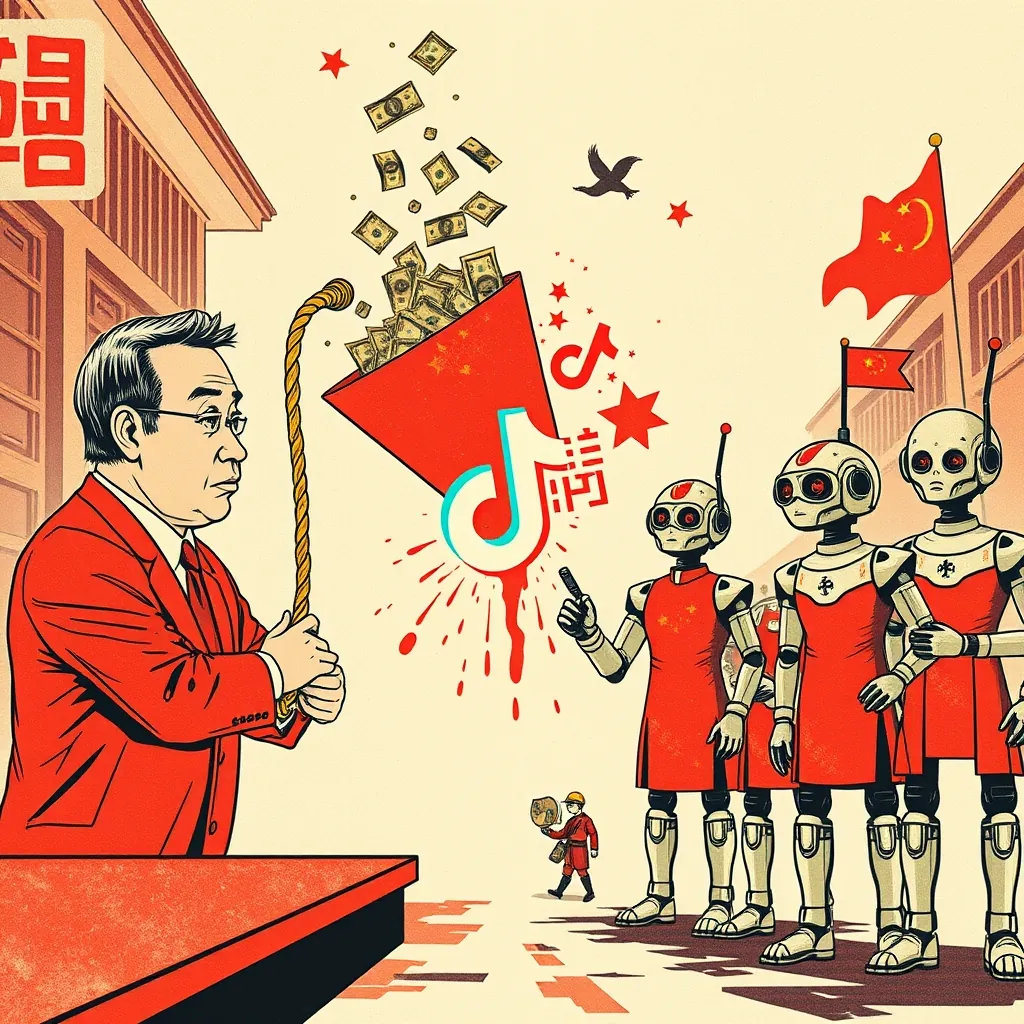
The Build American AI campaign isn't really about Chinese AI being scary. It's about American AI companies needing a bogeyman to justify their astronomical valuations and burn rates.
OpenAI is reportedly seeking funding at a $300 billion valuation. That's not a typo. Three hundred billion dollars for a company that, despite impressive technology, has yet to demonstrate a clear path to the kind of revenue that justifies that number. When your business model depends on raising ever-larger rounds from ever-more-optimistic investors, you need a compelling story about why you must win.
Enter: China.
The narrative is seductive in its simplicity: if America doesn't invest massively in AI, China will win, and winning AI means... something something global dominance. It's the Sputnik moment playbook, updated for the algorithm age. Except the Soviet Union actually launched a satellite. Chinese AI labs are just... making chatbots and open-sourcing them.
What Chinese Tech Twitter Actually Thinks
Meanwhile, on the Chinese internet, this Wired story is getting attention for all the wrong reasons. On Weibo (微博) and Xiaohongshu (小红书), the reaction from China's tech community is less "we're threatened" and more "we're confused." Many users point out that American AI companies seem more focused on lobbying and PR campaigns than on shipping products that people want to use.
Chinese AI researchers I follow on social media have noted that the real competition isn't between nations — it's between business models. OpenAI builds moats through proprietary models and political connections. Chinese labs build moats through open-source releases and aggressive pricing. Both approaches have merits. Neither requires influencer fear campaigns.
The county-tier (县域) businesses adopting AI tools in China aren't doing it because they fear American dominance. They're doing it because Doubao costs basically nothing and actually helps them write product listings. Revolutionary, I know.
The Bottom Line
Look, Chinese AI has genuine strengths: open-source contributions, aggressive pricing, massive domestic user bases, and integration into platforms like WeChat (微信) and DingTalk (钉钉) that hundreds of millions of people use daily. It also has genuine weaknesses: chip constraints, limited access to cutting-edge hardware, and an innovation ecosystem that still struggles with fundamental research breakthroughs.
But none of this nuance fits in a 60-second TikTok. What fits is: "China scary, give money to OpenAI."
The real threat to American AI dominance isn't Chinese competition — it's the arrogance that thinks paid influencer campaigns are a substitute for building products people actually want. DeepSeek didn't need a super PAC to get attention. It just needed to be good and be cheap.
Memo to Silicon Valley: maybe spend less on TikTok influencers and more on making your chatbots hallucinate less. Just a thought.