Tangping as Foreign Plot: China's Blame Game Gets Absurd
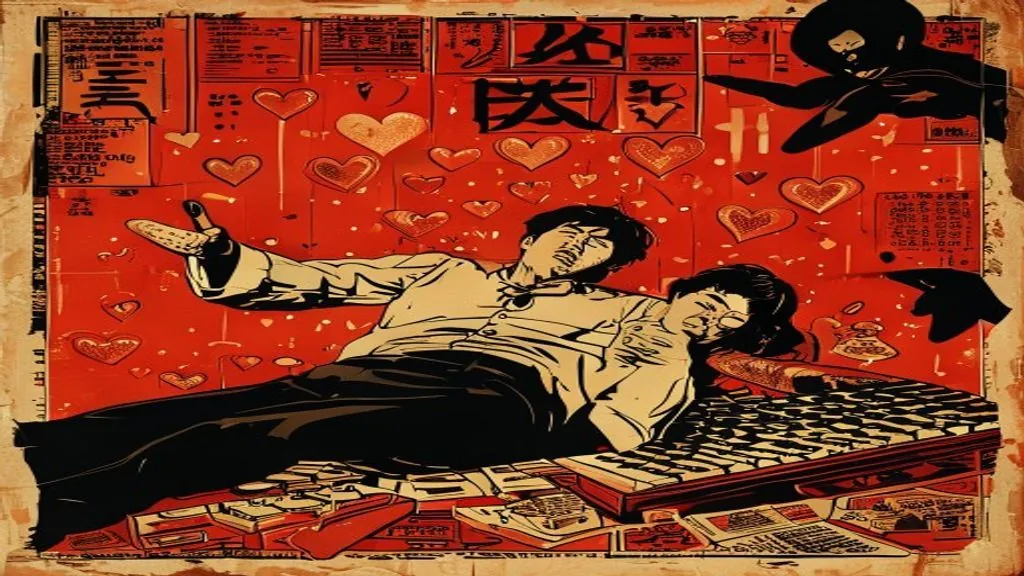
The Chinese internet is having a collective eye-roll this week, and honestly, it's justified. A Wall Street Journal report reveals that Chinese officials are now blaming "hostile foreign forces" for the country's youth choosing to slack off. Yes, really: tangping (躺平, "lying flat") and bailan (摆烂, "let it rot") — movements born from very domestic pressures like 996 work culture, unaffordable housing, and youth unemployment — are apparently the handiwork of mysterious outside agitators.
It would be funny if it weren't such a perfect distillation of the disconnect between official narrative and lived reality in China today.
The Movements That Weren't Imported
Let's rewind. Tangping emerged around 2021 on Bilibili (B站) and Weibo (微博) as young Chinese workers declared they were opting out of the grind. No more 996 (9 AM to 9 PM, six days a week). No more grinding for promotions that barely keep pace with inflation. No more buying overpriced apartments that would take thirty years of salary to pay off. The movement crystallized when a viral Douyin (抖音) post from a delivery driver declared he would "just lie down" rather than keep running on the hamster wheel.
Bailan took things further — not passive withdrawal but active, ironic embrace of failure. "Let it rot" became a generational mood. Gen Z's answer to the question of what happens when you promise prosperity through hard work and then... the promise collapses.
These weren't imported ideas. They were homegrown responses to very Chinese structural problems: the fallout from regulatory crackdowns on tech companies that eliminated millions of high-paying positions, a property crisis that erased family wealth, and an education system requiring exorbitant tutoring investment only to deliver youth unemployment that hit 21.3% in mid-2023 (before the government helpfully stopped publishing the statistic in that format).
The Absurd Blame Game
Which brings us to now. Rather than grappling with why a country capable of building humanoid robots like Unitree's (宇树科技) H1 and Fourier's (傅利叶) GR-1, launching AI models rivaling OpenAI (DeepSeek 深度求索, Qwen 通义千问), and producing viral consumer phenomena like Pop Mart (泡泡玛特) can't generate decent opportunities for its own college graduates — officials have apparently opted for the的解释: outside influences did it.
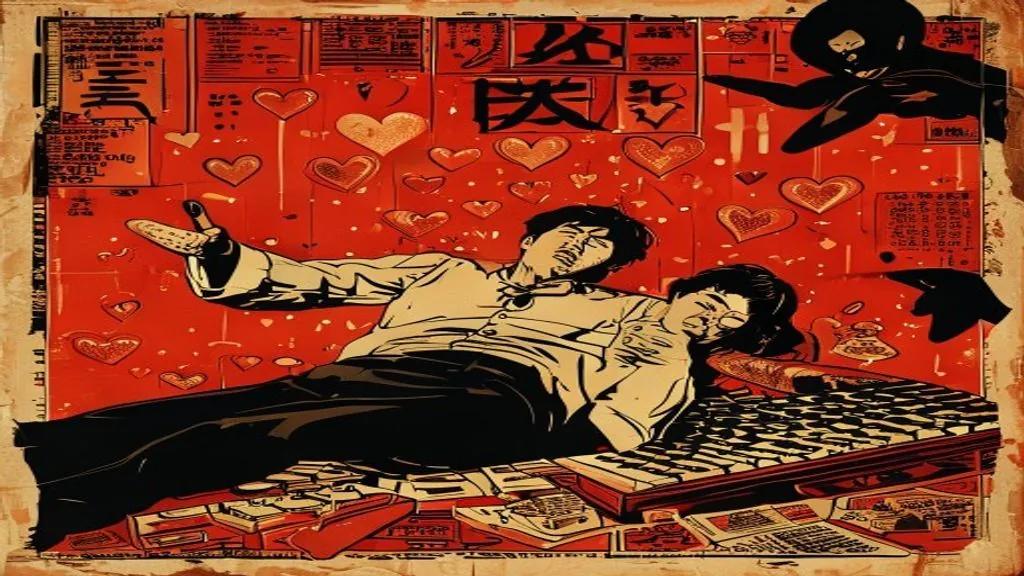
On Xiaohongshu (小红书), where young Chinese document everything from OOTD to existential dread, tangping content thrives. On Douyin, videos of people embracing "low-desire lifestyles" — living in cheap county-tier (县域) cities, rejecting consumerism, finding meaning in hotpot and milk tea rather than mortgages — accumulate millions of views. These creators aren't consuming foreign propaganda. They're looking at rent prices and doing math.
What This Actually Reveals
Several things worth noting for anyone tracking China's consumer and tech landscape:
First, the AI boom is producing a starkly two-track economy. While Chinese AI labs — DeepSeek, Zhipu (智谱清言), Moonshot's Kimi (月之暗面) — race to build increasingly capable models, and factories prepare for humanoid automation, regular knowledge workers face compression. Chinese courts recently ruled companies can't fire workers simply to replace them with AI. That such a ruling was necessary tells you everything about the tension building.
Second, youth disillusionment is reshaping consumer markets in real time. Pop Mart's Labubu blind boxes aren't just cute collectibles — they're affordable dopamine hits for a generation that's given up on bigger purchases. Milk tea shops proliferate because a $3 drink remains manageable when a $300,000 apartment is fantasy. The "county-tier consumption" trend — young people relocating to smaller cities where life is livable — sounds like lifestyle branding but is mostly economic necessity with a nice filter.
Third, and perhaps most telling: the narrative gap is now structural. Chinese internet platforms host two simultaneous conversations — the official prosperity narrative and the lived experience of precarity — and both coexist on the same Douyin feed. That's not a bug; it's the system working as designed.
The Bottom Line
Blaming foreign forces for tangping is like blaming them for gravity. The movement grew from Chinese soil, watered by Chinese economic conditions, under Chinese policy choices. Young Chinese aren't slacking because they've been radicalized by outsiders — they're making rational responses to an irrational situation where the old social contract (work hard, get rich, buy property, secure your child's future) has been visibly broken.
The real story isn't foreign interference. It's a generation that watched the game get rigged and decided, collectively and publicly, to stop playing. That's not a conspiracy. It's arithmetic.
And no amount of blaming outsiders will change the numbers.