China's Luxury Fruit Bubble Has Officially Burst
Why Expensive Fruits Aren't Expensive Anymore — And What It Says About China's Consumer Psyche Right Now
If you've been anywhere near Toutiao (今日头条) today, you've seen it: 2.2 million people raging, celebrating, or straight-up mourning over one simple question — 「今年贵价水果为啥不贵了」 — "Why are luxury fruits cheap now?"
The short answer: everything is cheap now. The longer answer involves supply chain gluts, live-commerce price wars, a brutal consumption downgrade, and the slow death of the "premium fruit" myth that sustained an entire industry delusion.
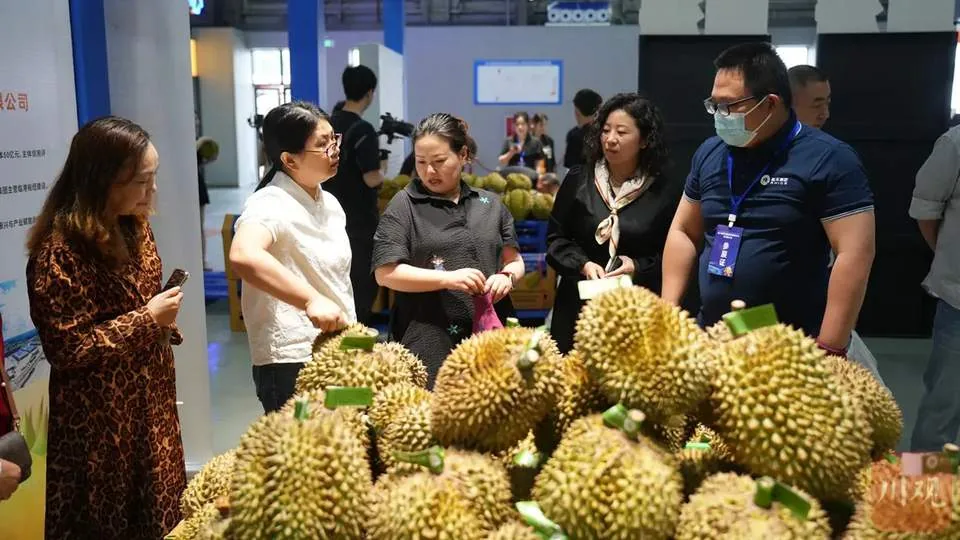
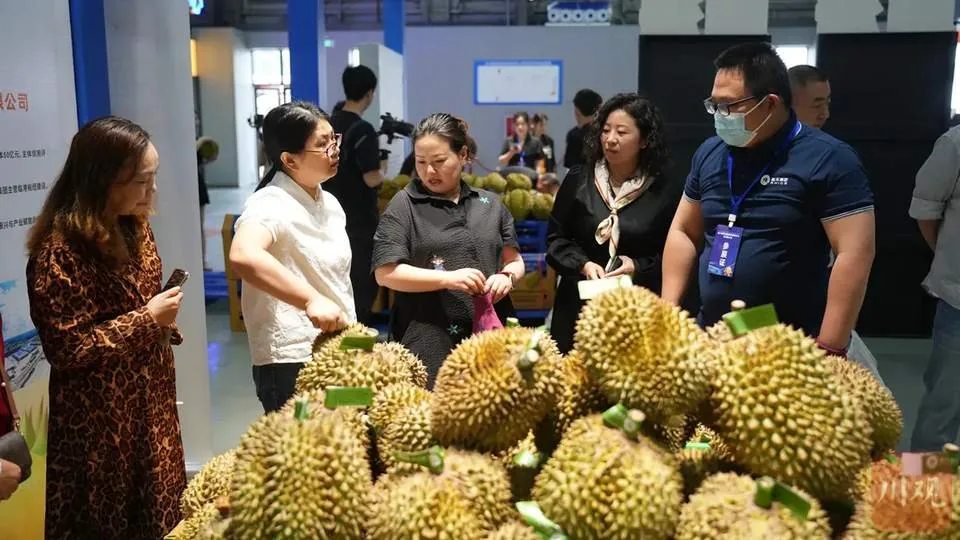
Let's talk about the fruits in question. Think cherries at ¥29/jin instead of ¥99. Japanese-style strawberries (那些标着日语的草莓) selling for a third of what they commanded two years ago. Sunshine grapes (阳光玫瑰葡萄) — the emerald-green status symbol that once retailed at ¥150/jin and now languishes at ¥30 in community group-buy apps. Durian, the undisputed king of divisive fruit, has seen Monthong (金枕) prices crater as Southeast Asian supply chains optimized themselves into commodity territory.
This isn't just a harvest cycle story. This is structural.
How we got here: the great fruit speculation bubble
Rewind to 2019-2021. China's premium fruit market was absolutely unhinged. Investors poured billions into cherry orchards in Shandong, blueberry farms in Yunnan, and greenhouse strawberry operations across Jiangsu. The logic was seductive: China's middle class was expanding, health-conscious millennials would pay anything for Instagram-worthy fruit, and platforms like Pinduoduo (拼多多) and Meituan (美团) were racing to capture fresh grocery spend.
Orchard land prices in prime growing regions tripled. Agricultural "influencers" on Douyin (抖音) — yes, that's a real job — filmed themselves biting into glistening strawberries with ASMR intensity while selling direct-to-consumer boxes at eye-watering margins. Livestreamers on East Buy (东方甄选) made fruit-picking content into a literary experience, Dong Yuhui (董宇辉) waxing poetic about the terroir of Xinjiang melons while thousands placed orders in real-time.
The madness peaked when a single bunch of ruby-red grapes from Yunnan could fetch ¥200+ in a Shanghai Olé supermarket, and nobody blinked. Fruit gifting — giving premium fruit boxes during Chinese New Year instead of mooncakes or baijiu — became a bona fide social arms race.
Then reality showed up.
Three forces that crushed the premium fruit economy
First: massive oversupply. Everyone and their cousin planted sunshine grapes between 2020-2023. China's grape acreage for this single variety exploded from essentially zero to over 100,000 hectares. When all those vines matured simultaneously, the market drowned in grapes. Same story with cherries, blueberries, and those absurdly expensive strawberries.
Second: community group-buying and Pinduoduo's race to the bottom. Pinduoduo's (拼多多) model — aggregate demand at massive scale, squeeze suppliers ruthlessly, deliver at prices that make traditional retailers weep — has been weaponized against premium fruit. When Auntie Wang in a Tier-3 city can get Yunnan blueberries for ¥12/box through her neighborhood WeChat group, the ¥68/box supermarket version becomes indefensible. Multi-refresh (多多买菜) and Meituan Preferred (美团优选) have turned fruit into a loss-leader category.
Third, and most importantly: 消费降级 — consumption downgrade — is no longer a dirty word in China. It's just... the vibe. Post-pandemic economic anxiety, youth unemployment hovering around levels that make statisticians uncomfortable, and a collective decision that maybe paying ¥80 for a box of cherries when ¥29 cherries taste 92% as good is, in fact, stupid. The 「平替」 (pingti — affordable substitute) mentality has infected fruit. Young consumers on Xiaohongshu (小红书) now post "fruit haul" content bragging about how little they spent, not how much. The flex inverted.
Why this matters beyond fruit
The luxury fruit crash is a perfect microcosm of China's broader consumer economy in 2025. The premiumization wave that powered everything from craft beer to boutique fitness to ¥60 cheese tea is receding. Brands that built their entire identity on "aspirational pricing" are scrambling.
Nayuki (奈雪的茶), the premium tea chain that once positioned itself as the Starbucks of bubble tea, has been quietly closing underperforming locations and slashing prices. Heytea (喜茶) dropped below ¥20 for most items. The message is clear: value is the new premium.
For the AI and tech crowd reading this blog, here's the connection you didn't know you needed: the same deflationary logic crushing luxury fruit is reshaping China's AI model pricing. When DeepSeek (深度求索) launched its V3 model at API prices that made competitors' offerings look like luxury fruit — 90% cheaper than comparable models — it triggered an industry-wide price war. Alibaba's Qwen (通义千问), ByteDance's Doubao (豆包), and Moonshot's Kimi all slashed prices in response. AI tokens are the new sunshine grapes: everyone grew them, supply flooded the market, and the price collapsed to commodity levels.
The lesson? In China's current economy, anything that can be commoditized will be commoditized, faster than you think. Whether it's grapes, AI inference, or milk tea — the floor drops out the moment supply catches up with that initial aspirational demand.
The orchard exodus is coming
Here's my prediction: by 2027, a significant chunk of those premium orchards planted during the 2020-2022 boom will be ripped out or converted. Farmers who bet on ¥100/jin grapes will be growing commodity apples or renting their land for solar panels. The Agricultural AI companies pitching smart-farming solutions to premium orchards — and there are several startups burning VC cash on this thesis — may need to pivot hard.
Meanwhile, consumers win. Chinese netizens on Toutiao are celebrating like they just discovered a cheat code. "Finally, I can eat cherries without taking out a loan," one top commenter wrote. Another observed: "The fruit is the same. What changed is we stopped being stupid."
In a country where consumer confidence metrics have been... let's charitably call "suboptimal"... the democratization of luxury fruit is a small, sweet victory. Literally sweet. ¥29 cherries taste fine. Turns out the other ¥70 was just the cost of pretending you were rich.
Welcome to the great compression. Pass the blueberries.