'Where Can I Use This in China?' — The Question That Exposes Everything
There's a Reddit post going viral right now in the China-watching corners of the internet. The title is deceptively simple: "Where can I use this in China?" It's a gallery post on r/China, and the question alone — before you even see the image — carries the weight of every confused tourist, every homesick expat, and every globalist who thought their premium Western whatever would work seamlessly in the Middle Kingdom.
The answer, almost always, is: you can't. Or you shouldn't. Or there's a better Chinese version you've never heard of that costs 70% less.
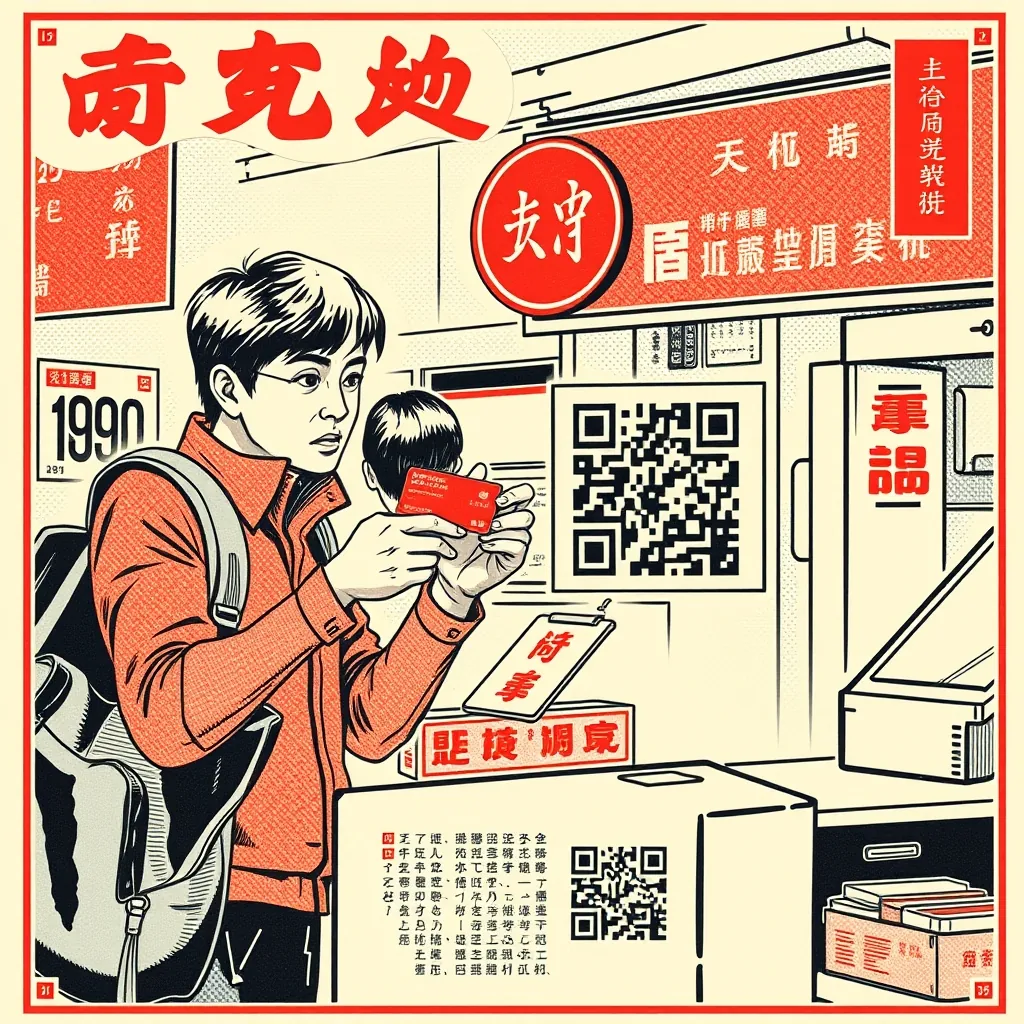
Welcome to China's parallel consumer universe — a place where the rules are different, the apps are unrecognizable, and your Chase Sapphire Reserve gets you a blank stare at places where a QR code on WeChat (微信) rules all.
Let's be honest: "Where can I use this in China?" isn't really a question. It's a cry for help from someone who just discovered that China didn't just build a parallel internet — it built a parallel everything.
The Great Firewall isn't just about blocking Google (谷歌) and Meta. It created the conditions for an entirely separate digital ecosystem to evolve, like marsupials in Australia developing pouches while the rest of the mammals went another direction. Douyin (抖音) isn't TikTok's Chinese cousin — it's the original template that birthed TikTok. Weibo (微博) isn't Chinese Twitter — it's something weirder, a hybrid of microblogging, entertainment gossip, and public square that Americans can't quite map onto anything they know. Xiaohongshu (小红书), often lazily called "China's Instagram," is actually a shopping-driven recommendation engine where users write essay-length reviews of skincare products and hotpot restaurants.
This is the real culture shock. Not the language barrier. Not the food. It's showing up with your Spotify subscription and realizing that's useless when everyone under 35 is streaming on NetEase Cloud Music (网易云音乐) or QQ Music (QQ音乐). It's downloading Apple Maps and realizing you need Amap (高德地图) or Baidu Maps (百度地图) to navigate anything. It's pulling out your Visa card at a convenience store and watching the cashier point to the WeChat Pay and Alipay (支付宝) QR codes like you're from 2012.
China didn't just skip the credit card era — it skipped the entire concept of carrying a wallet. Mobile payments hit 432.4 trillion yuan (about $60 trillion USD) in transaction value in 2024. That's not a typo. And virtually none of that runs on Visa, Mastercard, or anything with a magnetic stripe.
The Reddit post resonates because it captures a fundamental truth: China's consumer ecosystem is now so self-contained, so evolved, that foreign products and services aren't just incompatible — they're irrelevant. You want food delivery? Meituan (美团) and Ele.me (饿了么) will get you hot noodles in 20 minutes. You want to buy... literally anything? Pinduoduo (拼多多) will sell it to you at prices that make Amazon look like a luxury boutique. You want a super-app that handles messaging, payments, ride-hailing, food ordering, hotel booking, and government services? WeChat (微信) has been doing that for a decade.
This isn't just about convenience. It's about a completely different mental model for how technology serves consumers. While Silicon Valley was building individual apps for individual tasks, Chinese tech companies were building ecosystems — sprawling, interconnected platforms where you never need to leave.
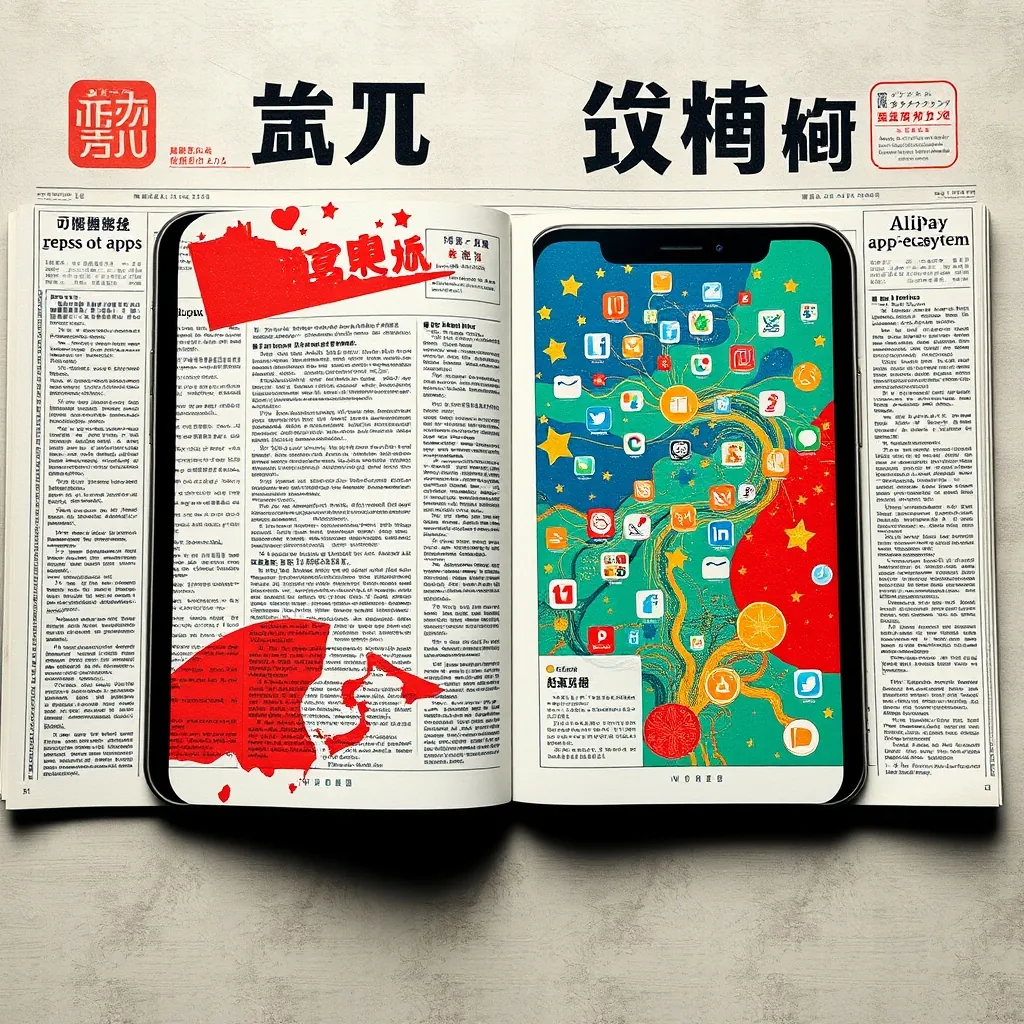
And here's the thing that really bugs the "Where can I use this?" crowd: Chinese consumers aren't suffering without Western alternatives. They're doing fine. Better than fine. The consumer tech experience in China's tier-1 cities — Beijing, Shanghai, Shenzhen, Guangzhou — is arguably more advanced than anywhere in the West. You can order groceries by voice while sitting on the toilet and have them arrive before you're done scrolling Douyin. You can split a restaurant bill with 8 people in 3 seconds via WeChat. You can rent a power bank at any convenience store by scanning a QR code.
Meanwhile, Americans are still writing checks.
The deeper implications are worth noting. China's parallel ecosystem isn't just a quirk of internet architecture — it's a strategic asset. When your entire digital life runs on domestic platforms, your data stays domestic. When your AI models are trained on domestic data, they understand domestic consumers better. This is why Chinese AI labs like DeepSeek (深度求索), Qwen/Tongyi (通义千问), and Doubao (豆包) are building models specifically optimized for Chinese-language tasks, Chinese cultural context, and Chinese consumer behavior.
The next time someone posts "Where can I use this in China?" with a photo of some Western product or service, the real answer isn't about compatibility. It's about understanding that China has become a fully self-sustaining digital civilization — one that doesn't need your stuff, doesn't want your apps, and has already built a better version of whatever you're holding in your hand.
Adapt or stay confused. Those are your options.
The qipao fits differently here. And no, your Western size doesn't translate.