China's Stock Market Herding: How Far Can 抱团 Go This Time?
Here's the thing about Chinese stock market investors—they move like a murmuration of starlings, except the birds probably have better risk management.
The trending headline on Toutiao (今日头条) right now—「A股新一轮抱团还能走多远」with over 2.1 million views—is asking the question every retail investor and fund manager in China is whispering about: how far can the new round of "抱团" (bàotuán, literally "huddling together") in A-shares actually go?
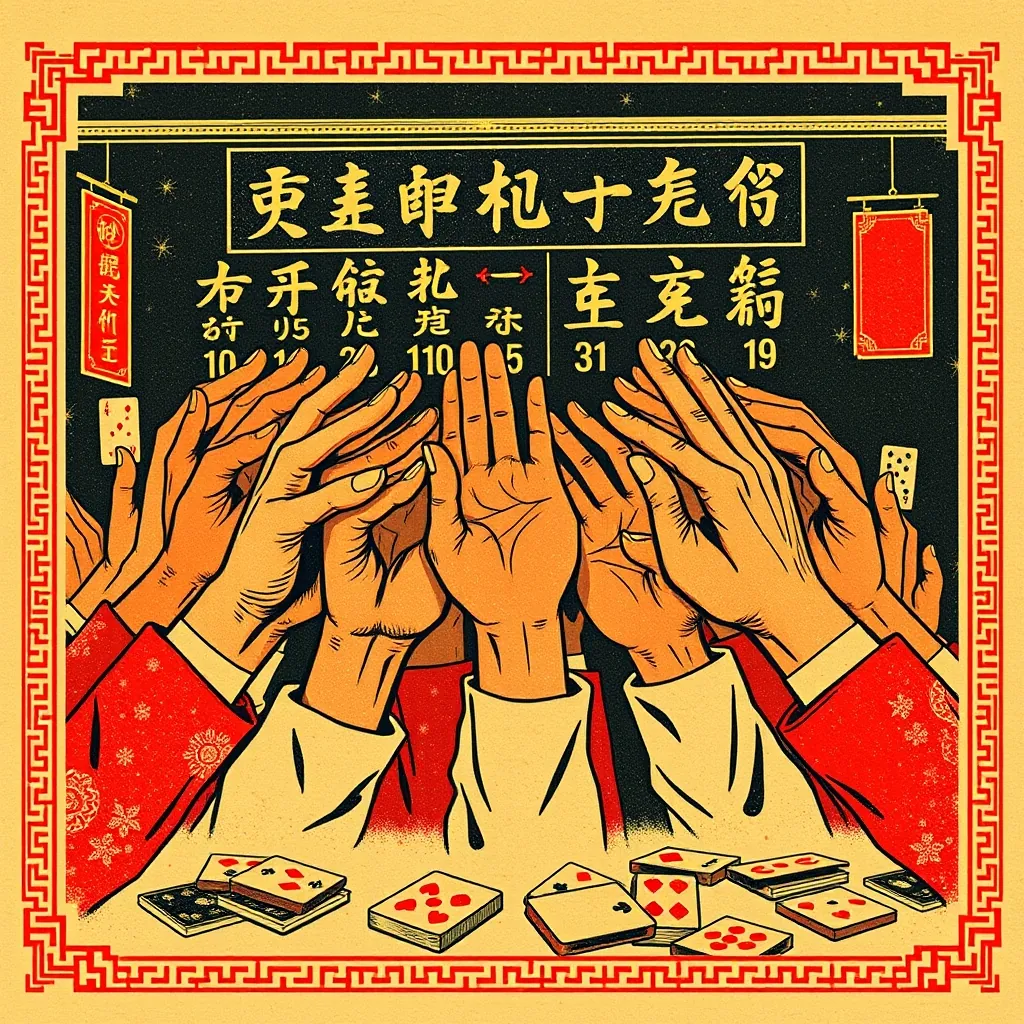
For the uninitiated, 抱团 is China's homegrown investing phenomenon where institutional players—mutual funds, insurance companies, sovereign wealth vehicles—all pile into the exact same handful of stocks, creating a self-reinforcing feedback loop of concentrated buying pressure. Think of it as algorithmic groupthink, except it's driven by career risk, benchmark tracking, and the very Chinese cultural tendency toward collective action.

The Mechanics of the Mob
Here's how 抱团 typically plays out: a few superstar fund managers identify a "core asset" (核心资产)—usually a company with strong fundamentals, predictable earnings, and a compelling narrative. Maybe it's a baijiu giant like Kweichow Moutai (贵州茅台), or a battery-maker like CATL (宁德时代), or one of the platform companies that survived Beijing's tech crackdown. The momentum builds. Other fund managers notice the outperformance and jump in—not because they've done independent analysis, but because underperforming your peer group in China's cutthroat asset management industry is career suicide.
The result? You get 500 mutual funds all holding the same top-ten positions. Concentration hits absurd levels. Valuations detach from reality. Everyone knows it's unsustainable, but nobody wants to be the first to leave the party.
Historical Echoes
This isn't new. China has seen several 抱团 cycles, each ending in spectacular fashion:
2019-2021: The Core Asset Bubble. Fund managers crowded into consumer brands, healthcare stocks, and new-energy plays. Moutai hit a trailing P/E of 60x. CATL commanded a market cap larger than most European automakers combined. Then the unwind happened—brutally.
2020-2021: The Tech Platform Reckoning. Post-crash 抱团 shifted toward "safe" state-owned enterprises and commodity stocks—coal miners, banks, telecoms. The "中特估" (China-specific valuation thesis) became the new rallying cry.
2023-2024: The AI/Hardware Rotation. As DeepSeek (深度求索) and other Chinese AI labs captured global attention, 抱团 money rotated into AI-adjacent plays—chip designers, server makers, humanoid robotics companies like Unitree (宇树科技) and Fourier (傅利叶).
The current cycle appears to be a hybrid: AI hype mixed with "high-dividend defensiveness"—investors simultaneously chasing growth stories and hiding in yield stocks. It's a cognitive dissonance only Chinese markets could produce.
Why This Matters Beyond Finance
Here's what makes 抱团 culturally revealing: it's not just an investing strategy—it's a social mechanism. The same psychology that drives Douyin (抖音) algorithm manipulation, Pop Mart (泡泡玛特) blind-box frenzies, and county-tier (县域) consumer trends drives 抱团. Chinese society operates on collective consensus to a degree Western observers often underestimate.
The concept of "不敢为天下先" (not daring to be the first in the world)—a traditional caution against standing out—permeates institutional investing. Why risk independent conviction when you can cluster with the crowd and share the blame if things go wrong?
This has real consequences for capital allocation. When 80% of active fund assets chase the same 50 stocks, the other 4,000+ listed companies in China's markets face a capital drought. Innovation outside the consensus gets starved. Small-cap companies with genuine breakthroughs can't get institutional attention because they don't fit the current 抱团 narrative.
The Numbers Tell the Story
Recent data from Wind (万得) shows that the top 10 holdings in China's active equity funds now account for roughly 35-40% of total fund assets. The Herfindahl index of institutional ownership concentration has been climbing for three consecutive quarters. Margin balances in popular 抱团 stocks have hit 18-month highs.
Meanwhile, the correlation between top-performing funds has reached 0.85—meaning they're essentially the same fund wearing different names. Alpha generation in Chinese active management has collapsed to near-zero, because everyone owns the same things.
My Take: This Ends the Way It Always Does
I'll be direct: 抱团 is a prisoner's dilemma with no good exit strategy. Everyone knows the concentration is dangerous. Everyone knows the unwind will be violent. But no one can afford to leave early, because the performance penalty of being wrong alone is worse than being wrong together.
The triggers for the next 抱团 collapse could come from anywhere: a disappointing earnings season, unexpected regulatory action, or simply the exhaustion of marginal buyers. When liquidity dries up, the crowded trades unwind at lightning speed—funds forced to sell their most liquid holdings (the same ones everyone else holds) to meet redemptions.
For China-watchers, 抱团 is more than a market quirk—it's a window into how collective decision-making works at scale in Chinese society. Whether it's consumer platforms racing to copy each other's features, content creators chasing the same viral formats on Xiaohongshu (小红书), or VCs piling into the same AI model companies, the underlying psychology is identical.
The Toutiao headline asks how far this round can go. History suggests: further than rationality would predict, and ending worse than anyone expects.
That's not pessimism. That's pattern recognition.