18 Million Yuan Vanished: Inside China's Bank Trust Crisis
If you had 18 million yuan sitting in a Chinese bank — roughly $2.5 million USD — you'd probably sleep pretty soundly, right? It's a bank. They have vaults. Cameras. Regulators. The whole apparatus of modern finance standing between your life savings and the chaos of the world.
Well, grab a pillow, because today's trending nightmare on Toutiao (今日头条) is about to ruin that fantasy forever. The headline: 「储户1800万存款被银行员工转走」 — "Depositor's 18 million yuan savings transferred away by bank employee." And with over 10.4 million engagements, this isn't just news. It's a collective anxiety attack masquerading as a headline.
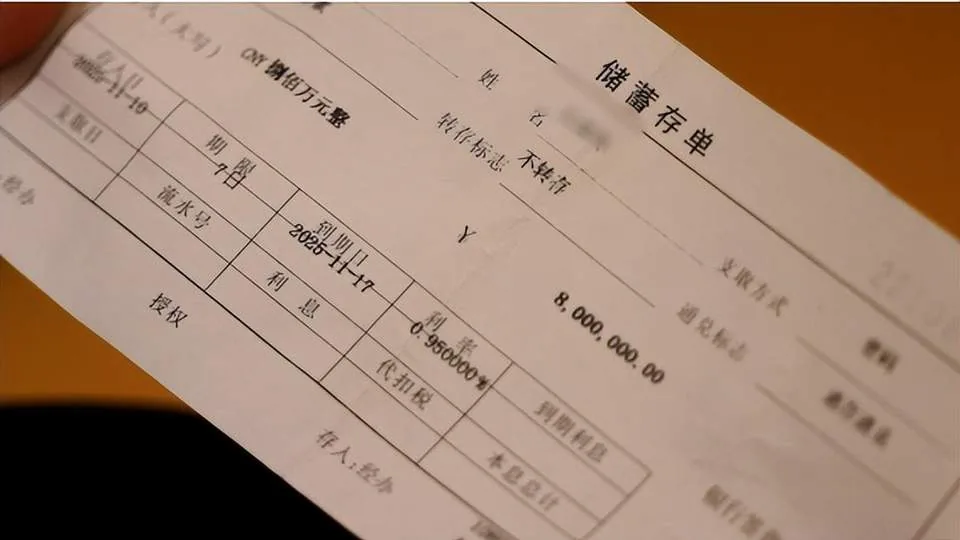
Here's what we know from the cascading coverage: A depositor — regular person, not some ultra-tycoon — discovered that 18 million RMB had been systematically siphoned from their account by a bank employee. Not a hacker. Not a sophisticated criminal syndicate. A person who literally worked at the institution trusted to guard the money.
The details emerging are the kind of thing that makes you want to stuff cash under a mattress like it's 1943. The employee apparently exploited internal access — the kind of systemic permissions that bank staff use daily to process legitimate transactions — to quietly redirect funds over time. This wasn't a smash-and-grab. It was patient. Methodical. Almost surgical.
Now, why is this particular story detonating across the Chinese internet with the force of a small nuclear device? Because it touches the third rail of Chinese consumer psychology: the sanctity of bank deposits.
Let me explain. China is a nation of savers. The household savings rate hovers around 30-35% of GDP — among the highest in the world. Chinese families don't just save for retirement or a rainy day. Savings are wrapped up in home purchases, children's education, marriage expectations, and the existential safety net that decades of limited social welfare has made culturally mandatory. That 18 million yuan? It could represent three generations of accumulated family wealth. Grandparents' pensions. Parents' salaries. Side-hustle income. All of it pooled, trusted to an institution with a marble lobby and a state-backed reputation.
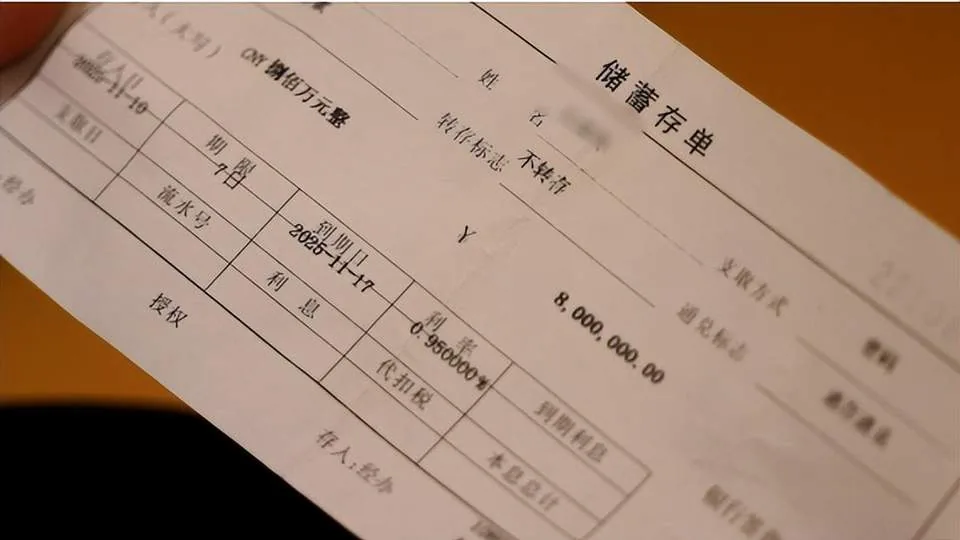
And here's where the story gets its legs: this isn't an isolated incident. Search Chinese social media for bank deposit scandals and you'll find a recurring pattern that would make any regulator sweat. There was the 2022 Henan bank protest saga, where depositors couldn't access billions in frozen accounts. There have been multiple cases of wealth management products sold by bank employees that turned out to be fraudulent schemes. The common thread? Exploited trust in the one financial institution most Chinese consumers consider untouchable.
The Toutiao comments section — always a reliable barometer of raw public sentiment — is doing what it does best: oscillating between fury and dark humor. "I guess my 500 yuan is safe," wrote one user, in a self-deprecating jab at their own modest savings. "They can't steal what barely exists." Another commenter asked the question everyone's thinking: "If a bank employee can do this, what's the point of the vault? What's the point of the cameras? What's the point of any of it?"
That question — what's the point of any of it? — is precisely why this story has broken through the noise. In a media environment saturated with AI breakthroughs from DeepSeek (深度求索), robot demonstrations from Unitree (宇树科技), and the latest Douyin (抖音) viral challenges, a straightforward banking scandal still has the power to stop the scroll. Because unlike a new AI model or a dancing robot, this is a story about normal people and their actual money.
The incident also highlights a structural tension in China's banking sector. The major state-owned banks — ICBC, China Construction Bank, Agricultural Bank — are generally considered rock-solid. But the system's strength at the top can mask vulnerabilities at the branch level, where oversight is only as good as the humans implementing it. And humans, as this story reminds us, are creative creatures — especially when motivated by financial pressure, gambling debts, or the myriad temptations that come with proximity to other people's wealth.
From a consumer-protection standpoint, the critical question isn't just how this happened — it's whether the depositor will get their money back. Chinese banking regulations do include deposit insurance, but the coverage ceiling is 500,000 yuan per depositor per bank. For an 18 million yuan loss, that's a cold comfort. The remaining 17.5 million becomes a legal battle that could drag on for years, with no guaranteed outcome.
This gap — between what consumers assume is protected and what actually is — represents one of the largest financial literacy blind spots in modern China. Millions of families park life-changing sums in single accounts, unaware that the government's safety net has a very specific ceiling. The 500,000 yuan limit was designed for ordinary households, not for the growing middle class that's accumulated seven-figure nest eggs.
Expect this story to fuel the ongoing diversification trend among Chinese savers. Financial advisors on Xiaohongshu (小红书) have been pushing portfolio diversification for years, but nothing sells the message quite like a visceral headline about vanished millions. Gold purchases, government bonds, and even the much-debated property market all start looking more attractive when the alternative is watching your life savings develop legs and walk away.
For platforms like Toutiao, stories like this are engagement gold — they hit fear, outrage, financial anxiety, and the universal question of "could this happen to me?" all at once. It's the same algorithmic catnip that drives viral health scares and food safety panics. The difference is that this time, the fear is pointing at an institution — banking — that the entire Chinese economic model relies on people trusting implicitly.
The 10.4 million engagements aren't just clicks. They're a warning signal. In a country where consumer confidence is already navigating choppy waters — real estate uncertainty, stock market volatility, wage pressure in tech — the one pillar that couldn't afford to crack was the basic trust that your bank will keep your money safe. Today, that pillar has a very visible fracture.
Watch this space. The depositor's fate — and the bank's response — will tell us whether that fracture heals or becomes a fault line.