China's Margin-Trading Mob Just Bet Big on 2 Mystery Stocks
Something delicious is happening on Toutiao (今日头条), China's algorithmic news behemoth, and it tells us everything about how Chinese retail investors think in 2024. The headline screaming across the hot board right now—「融资资金大幅加仓2股」—translates roughly to "Margin financing funds significantly increase positions in 2 stocks." Over 718,000 engagement points. Trending. New. The algorithm has spoken, and what it's saying is: China's army of retail traders is aggressively levering up on two unnamed stocks, and everyone wants to know which ones.
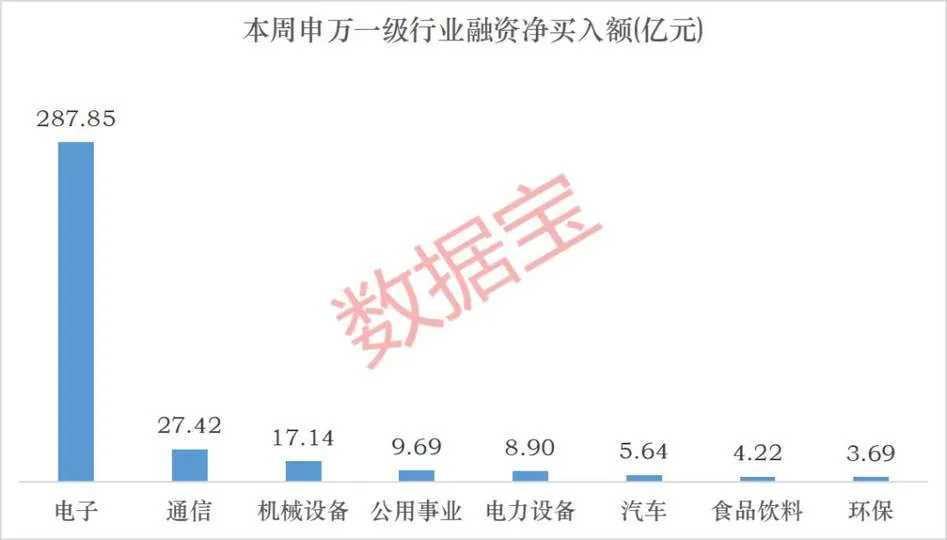
Let me explain why this seemingly boring financial headline is actually a cultural artifact worth decoding.
The Margin Mob Is Back, Baby
First, some context. China's stock markets—the Shanghai Composite, the Shenzhen Component, the tech-heavy STAR Market—have been on a rollercoaster that would make a Shenzhen roller-coaster manufacturer dizzy. After years of property-market depression, youth unemployment anxiety, and general economic malaise, Chinese retail investors have been searching for the next big thing. Some found it in AI stocks. Some found it in dividend-paying state enterprises. And apparently, right now, a concentrated swarm of margin traders has decided that exactly two stocks are worth borrowing money to buy.
"融资资金" (margin financing funds) refers to borrowed money that retail investors use to amplify their stock positions. When Toutiao says these funds are "大幅加仓" (significantly adding positions), it means leveraged money is flooding in. This is the financial equivalent of smelling smoke in a crowded theater and running toward the fire with a can of gasoline.
The Algorithm Knows What You Want
Here's what fascinates me from a platform perspective: Toutiao's algorithm pushed this headline to 718,626 engagements. Not a celebrity scandal. Not a Douyin (抖音) drama. Not even a new boba-tea collaboration. A margin-trading data point. This tells us that Toutiao's user base—which skews older, more male, and more financially anxious than, say, Xiaohongshu (小红书)—is absolutely ravenous for stock-market content. The algorithm feeds them what they engage with, creating a self-reinforcing loop of financial hype.
On Bilibili (B站), the same demographic might be watching "How I lost 500,000 RMB in the stock market" confessionals. On Weibo (微博), they're arguing about whether the government will rescue the market. But on Toutiao, they're tracking institutional margin flows like it's reconnaissance data.
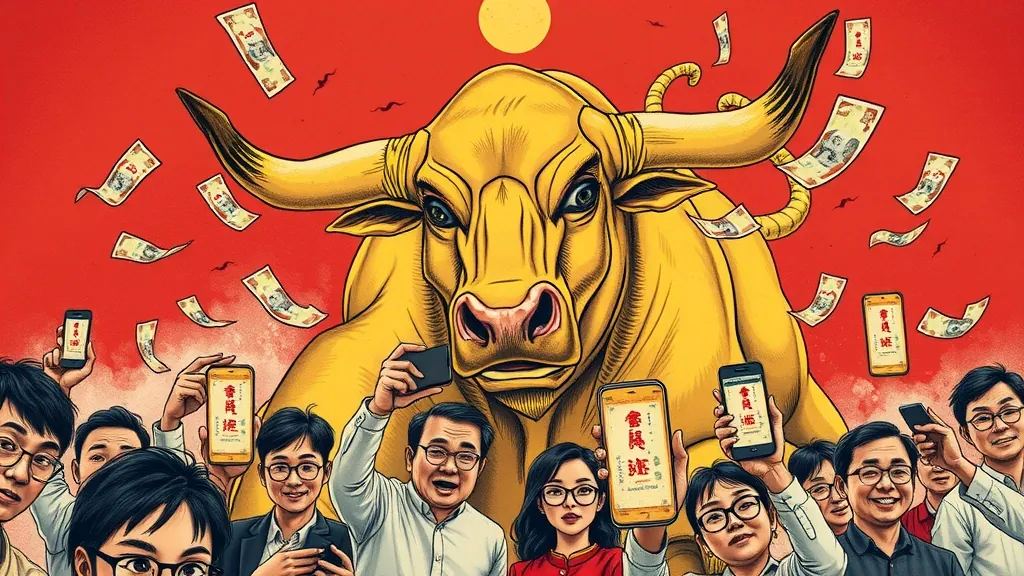
The Two-Stock Mystery: FOMO Engineering
The genius of this headline—and I use "genius" in the most cynical, engagement-bait sense—is that it doesn't name the two stocks. It just tells you that smart leveraged money is piling into two specific names. This is classic information asymmetry marketing. The headline creates a knowledge gap. The knowledge gap creates anxiety. The anxiety drives clicks. The clicks drive ad revenue.
It's the financial equivalent of those Douyin videos that start with "You won't BELIEVE which celebrity..." except the stakes are your retirement savings.
In practice, the "2 stocks" are likely revealed in the linked article, probably behind some data-provider paywall or brokerage recommendation. The whole ecosystem—Toutiao trending → article click → stock data service → brokerage account—is a finely tuned conversion funnel designed to separate anxious Chinese investors from their capital.
What This Says About Chinese Digital Culture
Three things strike me as culturally significant here:
First, the democratization of financial information in China has created a population of hyper-informed but under-resourced retail investors. They know what margin flows mean. They track "北向资金" (northbound capital from Hong Kong). They follow "龙虎榜" (dragon-tiger lists of top brokerage seats). They have access to data that would have been institutional-only a decade ago, but they're trading with individual-sized bank accounts.
Second, platform segmentation in China is real and profound. This headline wouldn't trend on Xiaohongshu, where the user base is sharing OOTD photos and Labubu unboxing videos. It wouldn't trend on Bilibili, where Gen Z is watching AI model benchmarks and robot dog videos. It trends on Toutiao because Toutiao has become the default platform for China's financially anxious middle-aged digital class.
Third, the leverage obsession tells us something about Chinese risk culture right now. Margin trading—borrowing to invest—is inherently aggressive. The fact that "大幅加仓" (big position increases) is newsworthy suggests that aggressive risk-taking is back in fashion after a period of caution. Whether this ends well is anyone's guess, but the cultural signal is clear: China's retail investors are feeling their oats again.
The Bottom Line
When a margin-flow data point trends above celebrity gossip and lifestyle content on China's largest algorithmic news platform, it means something. It means millions of Chinese retail investors are actively hunting for the next market winner, armed with borrowed money and algorithmic recommendations. The two mystery stocks may go up. They may crash. But the phenomenon—the crowdsourced, algorithm-amplified, margin-fueled hunt for alpha—is a distinctly Chinese internet culture moment.
Welcome to 2024 Chinese finance, where Toutiao is your broker, leverage is your strategy, and the algorithm decides what you see, what you fear, and what you buy.