When the Slogan's Actually True: China's Tech Goes Rural
That headline burning up Toutiao (今日头条) right now—"产业扎根大地 科技赋能民生"—reads like something a propaganda department intern wrote at 2 AM. "Industry takes root in the soil, technology empowers people's livelihood." Sure, comrade.
But here's the thing: 40 million hot score doesn't lie. And under the slogan-shaped exterior is an actual story Chinese internet users are vibing with. Because the underlying phenomenon? It's real.
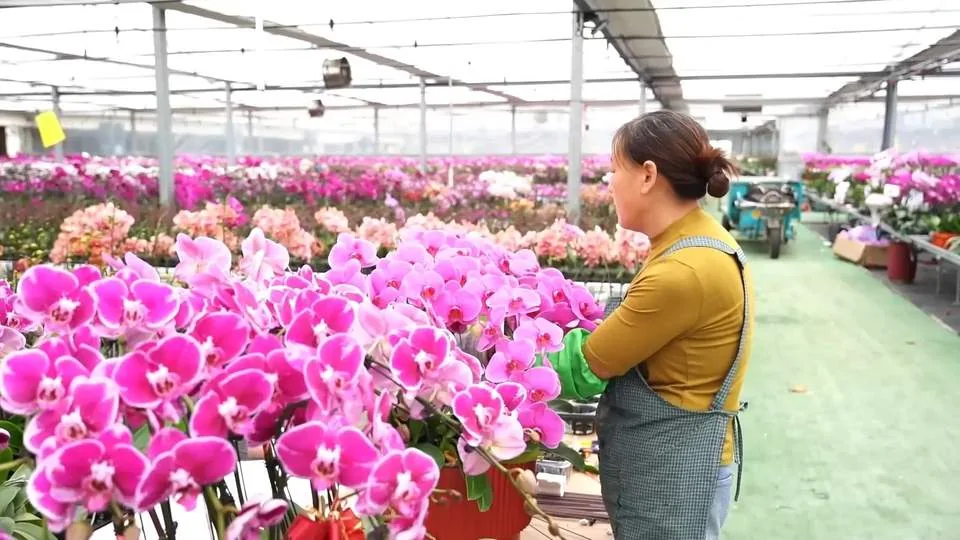
The "Sinking Market" Grew Up
Five years ago, 下沉市场 ("sinking market"—China's term for lower-tier cities and rural areas) meant one thing: Pinduoduo (拼多多) selling 9.9-yuan tissue paper to skeptical aunties in county towns. The narrative was simple—poorer regions, cheaper goods, group-buy discounts.
That's dead. What replaced it is weirder and more interesting.
Douyin (抖音) now generates massive engagement from rural creators—farmers livestreaming harvests, village cooking channels pulling 10M+ views, county-tier lifestyle influencers becoming minor celebrities. Xiaohongshu/RED (小红书), once the app where Shanghai marketing managers posted oat latte photos, now runs thick with "县城美学" (county-town aesthetics) content—young people documenting life in smaller cities as a deliberate aesthetic choice, not a limitation.
The "sinking" framing is actually insulting now. These aren't markets being "sunk to"—they're markets generating their own culture, their own trends, their own economic gravity.
AI Goes Accessible
When DeepSeek (深度求索) dropped its open-source models, the Western narrative focused on geopolitics—"China's AI labs catching up!"—and missed the domestic story. The real impact inside China was accessibility. Smaller companies, researchers outside Beijing/Shanghai circles, even individual developers in tier-3 cities could now run capable models locally.
That's "科技赋能民生" in action, even if the phrase makes you want to gargle bleach.
Same with Qwen/Tongyi (通义千问) from Alibaba and open-weight releases from Zhipu (智谱). The strategy isn't just about benchmark wars with OpenAI—it's about flooding the zone with accessible AI tools that smaller businesses, rural e-commerce sellers, and content creators can actually use.
A Shandong farmer using an AI chatbot to write product descriptions for his Douyin shop? That's not hypothetical. That's happening right now, at scale.
Livestream Commerce Goes Hometown
The Dong Yuhui (董宇辉) saga at East Buy (东方甄选) gets the headlines, but the bigger story is structural. Livestream commerce has permeated rural China in ways Western e-commerce never managed. County-tier sellers aren't just buying through livestreams—they're selling through them.
A Shandong apple farmer, a Sichuan pepper grower, a Yunnan coffee cooperative—all now run their own Douyin storefronts, often powered by AI-generated scripts, AI-edited short videos, AI-optimized pricing. The "tech empowering livelihood" phrase sounds propagandistic until you watch a 60-year-old farmer use a chatbot to write better product copy than a Shanghai copywriter would.
Robots Beyond the Coastal Showcase
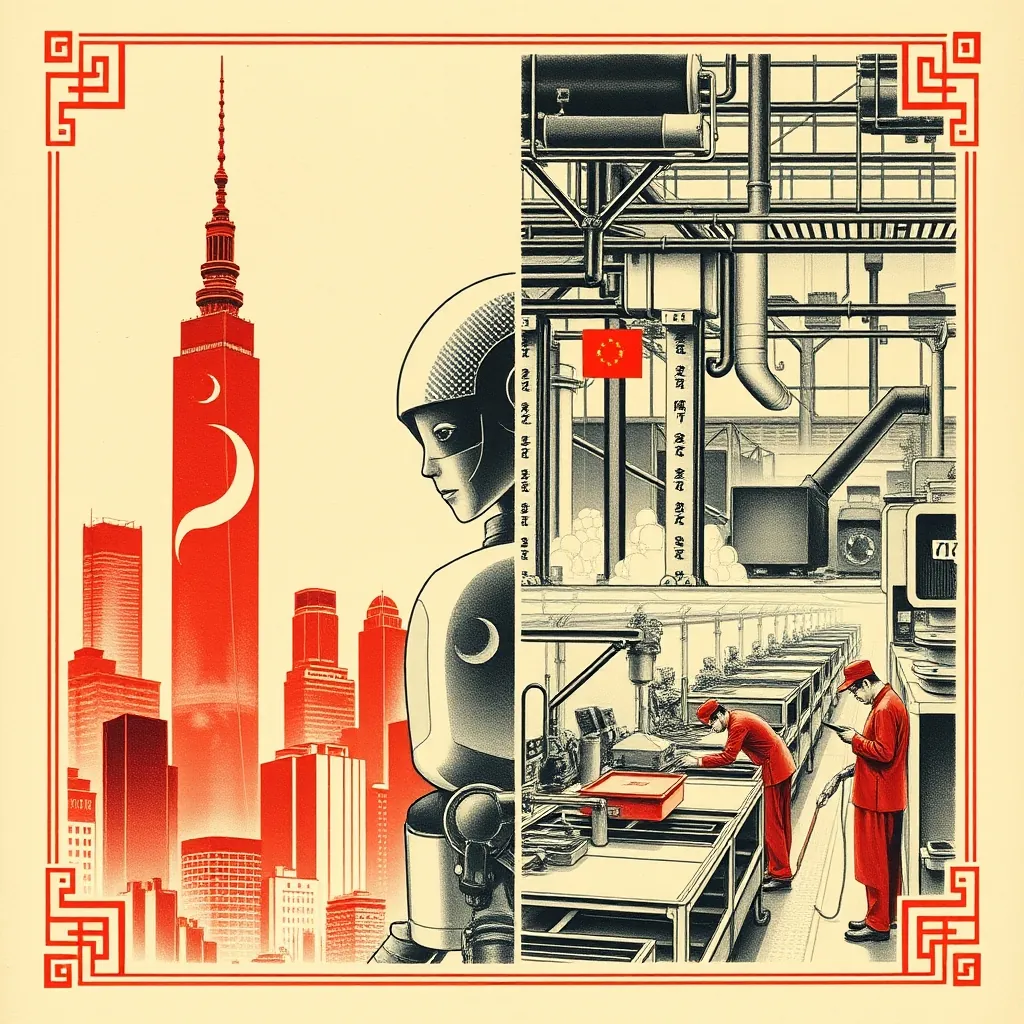
The humanoid robot hype—Unitree (宇树科技), Fourier (傅利叶), Agibot (智元)—gets covered as a Shanghai/Shenzhen story. That's where the demos happen, where investors circle, where talent concentrates.
But the actual manufacturing supply chain? Increasingly, it's migrating.
Factory automation adoption is spreading to second-tier industrial cities. Companies that once would've been Shenzhen-only are setting up production in Suzhou, Changzhou, further inland. When a Toutiao headline about "industry taking root in the land" trends, part of what's resonating is that people actually see this happening—new factories, AI-enabled production lines, tech jobs that don't require moving to Shenzhen.
The Cynical Take and Why It's Wrong
Here's where I'm supposed to get cynical. The phrase is propaganda. The "hot score" is probably boosted. The comments are probably full of bots.
All possibly true. But dismissing it entirely misses something.
Chinese internet users aren't stupid. A slogan doesn't hit 40 million hot score because people are brainwashed—it hits because something in it resonates with lived experience. And the lived experience right now, for many people outside the Beijing/Shanghai tech bubble, is that technology and industry genuinely are becoming more accessible, more distributed, more rooted in actual places rather than coastal elite enclaves.
That's not propaganda. That's a shift.
What It Reveals
Three things:
The center of gravity is moving. Tech culture in China is no longer purely a tier-1 city phenomenon. The interesting stuff—consumer behavior, creator economy, AI adoption—is increasingly happening in places Western analysts can't point to on a map.
Accessibility beats sophistication. The winning AI strategy in China isn't building the smartest model. It's building the most usable one. DeepSeek's appeal isn't benchmark dominance—it's that anyone can run it.
The propaganda machine occasionally trips into truth. Not always! Often not! But sometimes a slogan hits because it accidentally describes reality. "Industry taking root, tech empowering life"—however clumsily phrased—is closer to truth than fiction right now.
Watch the county-tier trends. Watch the open-source models. Watch where the new factories actually go.
The slogan's boring. The story isn't.