China's Sleep-Aging Panic: Why 4M People Can't Stop Reading About It
If you thought your back pain was the ultimate aging wake-up call, think again. According to a headline currently setting Toutiao (今日头条) on fire with nearly 4 million engagements, the real signs that you're aging — the ones you've been ignoring — start the moment your head hits the pillow.
The viral post, titled "3 Signs of Aging Start From Sleeping," has tapped into something primal in the Chinese internet psyche. Because in a country where the work-hard-sleep-hard culture has been replaced by work-hard-lie-awake-staring-at-your-phone culture, sleep has become the ultimate status symbol and the ultimate anxiety trigger.
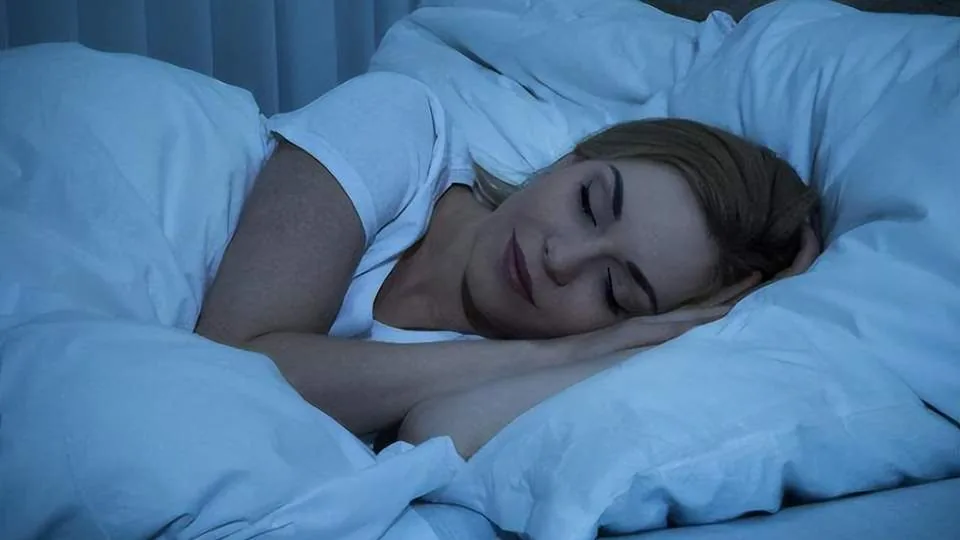
Let's be real: this isn't medical content. This is existential dread packaged as wellness advice, and it's absolutely crushing it on the Chinese algorithm.
The Three Sleep Signs That Haunt China's Millennial Mind
So what are these mysterious aging indicators that have captured China's attention? The viral post outlines them with clinical precision designed to make you question every night of your life:
Sign 1: You can't sleep through the night anymore. Remember your twenties when you'd crash at 2 AM and wake up feeling like a refreshed demigod? Those days are over. Now you're waking up at 3 AM to contemplate your mortgage, your WeChat (微信) work group messages, and whether you should have ordered that second boba tea.
Sign 2: You need more pillows. The post claims that needing multiple pillows to get comfortable — propping up your legs, supporting your back, creating what essentially becomes a nest — is a sign your body is rebelling against its own aging skeleton. One pillow used to be enough. Now you're building a fortress.
Sign 3: You wake up tired regardless of duration. Sleep 6 hours? Tired. Sleep 9 hours? Also tired. Sleep the recommended 8 hours on a fancy mattress from one of China's booming sleep-tech startups? Somehow still tired. Your body has apparently decided that rest is no longer its strong suit.
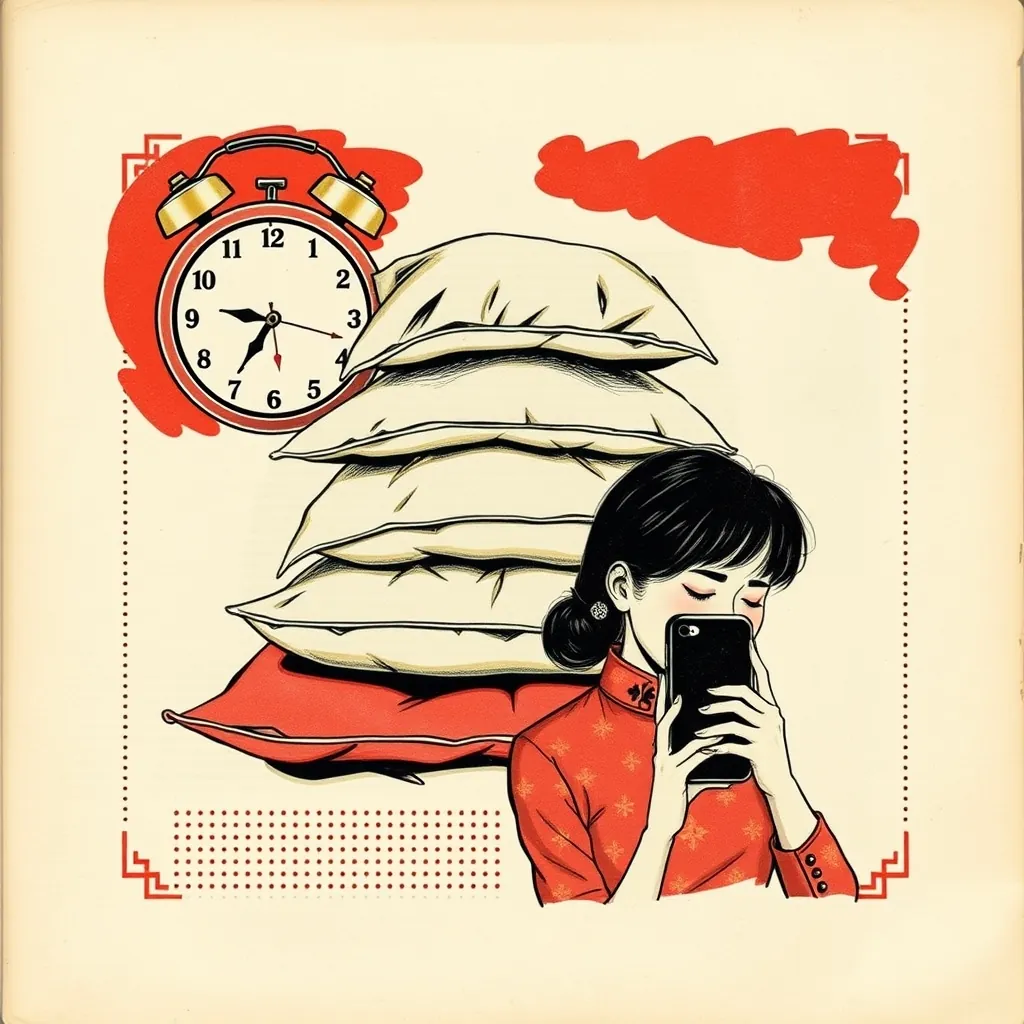
Now, here's the thing — none of this is groundbreaking medical insight. Sleep fragmentation increases with age. Musculoskeletal changes affect comfort. Sleep quality degrades. Science has known this for decades. But that's not the point.
Why This Is Breaking the Chinese Internet
The real story isn't about sleep science. It's about why approximately 3.9 million people on Toutiao — a platform dominated by users aged 30-50, the exact demographic feeling the squeeze between aging parents, young children, and career pressure — stopped scrolling to engage with this content.
China is in the grip of a massive aging anxiety that goes far beyond skincare routines and anti-aging serums. The generation that grew up with the one-child policy is now the "sandwich generation" — sandwiched between elderly parents who need care and children who need everything else. They're exhausted, and this content validates that exhaustion.
But it also does something more insidious: it monetizes it.
The Sleep Economy Is Eating China
Behind every viral sleep-anxiety post is a shadow economy waiting to sell you the solution. China's "sleep economy" — encompassing everything from smart mattresses to melatonin gummies to meditation apps on Xiaohongshu (小红书) — was valued at over 400 billion yuan (roughly $55 billion) in 2023 and is projected to keep growing.
On Douyin (抖音), sleep-related content generates billions of views. Livestreamers sell white-noise machines, silk pillowcases, ergonomic pillows, sleep-tracking wearables, and traditional Chinese medicine remedies promising to restore your "sleep quality" and, by implication, your youth.
The genius of content like "3 Signs of Aging Start From Sleeping" is that it functions as a funnel. You read it. You recognize yourself in it. You feel that familiar pang of anxiety. And then the algorithm, sensing your vulnerability, starts feeding you ads for sleep solutions.
It's a perfect loop: content creates anxiety, anxiety creates demand, demand creates revenue.
The Generational Sleep Gap
What's particularly fascinating is the generational split in how this content lands. On Bilibili (B站), younger users in their twenties are sharing the post ironically, treating it as a meme about their own "premature aging" — a running joke about how their bodies already feel sixty despite being born after 2000.
But on Toutiao, where the user base skews older, the engagement is genuine. The comments reveal real worry: users trading tips about traditional remedies, comparing sleep-tracking data from their Huawei (华为) wearables, and commiserating about how sleep has become just another thing that gets harder with age.
This split tells you everything about China's current digital landscape. The same content can be both a joke and a genuine source of concern, depending on which platform's algorithm served it to you and where you are in life.
The Real Diagnosis
Here's my take: the virality of this post isn't really about aging. It's about a generation that has internalized the message that their bodies are problems to be solved, and that every natural change is a failure requiring intervention.
China's internet economy thrives on this kind of ambient anxiety. Not the dramatic, headline-grabbing kind, but the low-grade, everyday worry that makes you pause, click, and eventually buy something. The sleep-aging post is just the latest iteration of content designed to make you feel like you're doing something wrong — and that there's a product, a supplement, or a lifestyle hack that can fix it.
The irony, of course, is that the anxiety about aging and sleep probably causes more sleep problems than actual aging does. It's a self-fulfilling prophecy delivered by algorithm.
So tonight, when you're lying in bed scrolling through your phone and wondering if you need three pillows instead of two, remember: you're not just aging. You're participating in a multi-billion dollar attention economy that profits from your 3 AM existential crisis.
Sleep well. Or don't. The algorithm doesn't care either way, as long as you keep scrolling.