After Burning 500 Billion, BOE Finally Pays Out
The Chinese internet is currently obsessed with a financial Cinderella story that took twenty years to reach the ball. The trending headline on Toutiao (今日头条) reads: "After burning through 500 billion, BOE (京东方) finally starts making money for shareholders."
Let that sink in. Five hundred billion yuan. That's roughly $70 billion USD. Gone. Vaporized into factory construction, R&D money pits, and brutal price wars against Korean and Taiwanese panel giants. For two decades, investing in BOE was basically setting your money on fire and filming it for Douyin (抖音) clout.
And now? The company just posted record profits, started paying dividends, and its stock is actually making people rich instead of poor. The Chinese internet is losing its collective mind.
The 20-Year Money Inferno
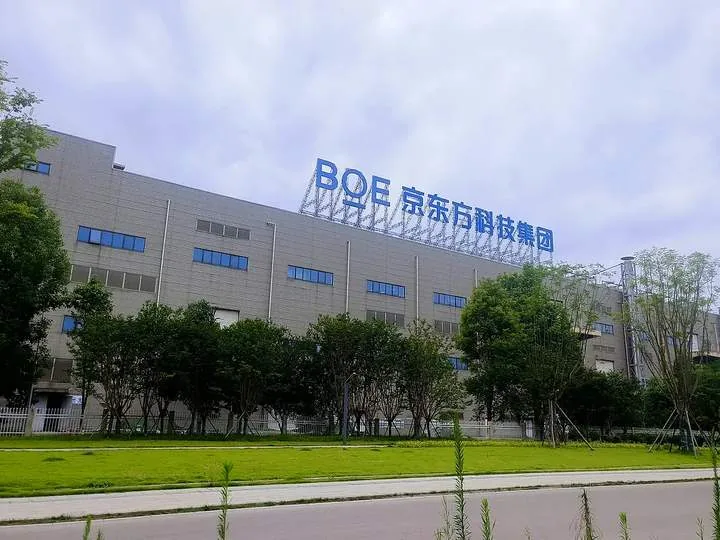
Here's what you need to understand about BOE Technology Group (京东方科技集团). Founded in 1993 as a state-owned enterprise restructuring, BOE spent the better part of two decades as China's most aggressive capital-raising machine. They'd build a factory. They'd lose money. They'd raise more capital, diluting existing shareholders into dust. Then they'd build another factory. Lose more money. Raise more capital. Repeat until the heat death of the universe.
By 2020, BOE had incinerated approximately 500 billion yuan in cumulative capital raises and reinvested earnings. Retail investors on Xueqiu (雪球) and East Money (东方财富) forums treated the stock like a sick joke. "Buy BOE" was basically Chinese finance bro shorthand for "light my wallet on fire and call it investing."
But here's the thing about setting 500 billion yuan on fire: sometimes, if you do it strategically enough, you burn down the competition too.
The Pyrrhic Victory That Actually Wasn't
What BOE was actually doing—and what the sneering internet commentariat missed—was executing the most expensive industrial policy endgame in modern business history. Display panels are the hidden guts of every screen you touch: your phone, your laptop, your TV, your car dashboard, that iPad your toddler is currently smearing with peanut butter.
For decades, Samsung (三星), LG Display (乐金显示), AU Optronics (友达光电), and Innolux (群创光电) controlled this market like a cartel. They'd dump prices whenever Chinese competitors tried to enter, starving them of margins. It was a classic moat-defense strategy, and it worked beautifully. The Korean and Taiwanese firms got rich. Chinese panel startups died. Everyone was happy except China's industrial planners.
BOE was Beijing's answer: a company big enough and state-backed enough to absorb infinite losses while building capacity that would eventually break the cartel. And here's the punchline nobody saw coming: it actually worked.
Today, BOE is the world's largest display panel manufacturer by shipment volume. They supply screens to Apple (苹果)—yes, that Apple—for iPhones and iPads. They feed Huawei (华为), Xiaomi (小米), and basically every Chinese smartphone brand. When you swipe your screen tonight, there's a statistically decent chance you're touching BOE glass.
The cartel is dead. BOE killed it with 500 billion yuan and sheer bloody-minded persistence.
Why the Internet Is Screaming About It Now
So why is this trending now? Because the narrative just flipped from "money-losing state project" to "actually profitable company," and Chinese retail investors cannot believe what they're seeing.
BOE's recent earnings reports show real net profits—billions of yuan, not the pretend accounting profits of yesteryear. They're paying dividends. The stock is up. Analysts on Chinese financial media are using phrases like "cash flow positive" and "shareholder returns" in the same sentence as "BOE," which feels about as likely as seeing your ex on a dating app with a personality.
The Toutiao comment section is a goldmine of schadenfreude and vindication. Early investors who held through the dark years are doing digital victory laps. Late sellers are performing the ritual online grief of missed opportunity. And a whole generation of new investors who never knew the pain are asking, with genuine confusion: "Wait, this company was supposed to be terrible?"
The Bigger Picture: What BOE Reveals About Chinese Tech Strategy
Here's why this story matters beyond the stock ticker. BOE is the template for how Chinese industrial policy actually works when it works—which is not always, but more often than Western analysts comfortably admit.
The playbook is brutally simple: identify a strategic chokepoint controlled by foreign powers, pour infinite state-backed capital into domestic challengers, accept years or decades of losses as the cost of market entry, and eventually leverage China's massive domestic market plus manufacturing scale to break the cartel. Then, once you've won, pivot to profitability and start actually rewarding the true believers who funded your war.
We've seen this movie before, and we're seeing it again right now. Chinese AI labs like DeepSeek (深度求索) and Qwen/Tongyi (通义千问 by Alibaba) are spending billions chasing foundation model dominance against OpenAI and Anthropic. They're losing money today. The Chinese internet is full of skeptics asking when the ROI comes.
The BOE story is the answer: maybe in fifteen years, if you're patient enough and the state is committed enough.
It's not a pretty story. It's not a clean story. Burning 500 billion yuan to break a Korean-Taiwanese display cartel involved enormous waste, crowded out other investments, and destroyed plenty of retail portfolios along the way. But the ending—the part where the company actually starts creating value instead of just burning it—is real, and it's worth paying attention to.
Because somewhere in a Shenzhen lab right now, another BOE is being born. And the Toutiao headline in 2040 might read exactly the same.