China's 250 Million Retail Investors Just Got a Lifeline
The Toutiao (今日头条) hot board is on fire right now, and one headline is doing the heavy lifting: "Media: To protect 250 million retail investors, the state has stepped in" (媒体:为了保护2.5亿散户国家出手了). With nearly 39.5 million热度, this story has struck a nerve — because in China, the stock market isn't just about money. It's identity, entertainment, hope, and heartbreak, all wrapped into one volatile package.
Let's break down why this matters.
The World's Largest Amateur Trading Army
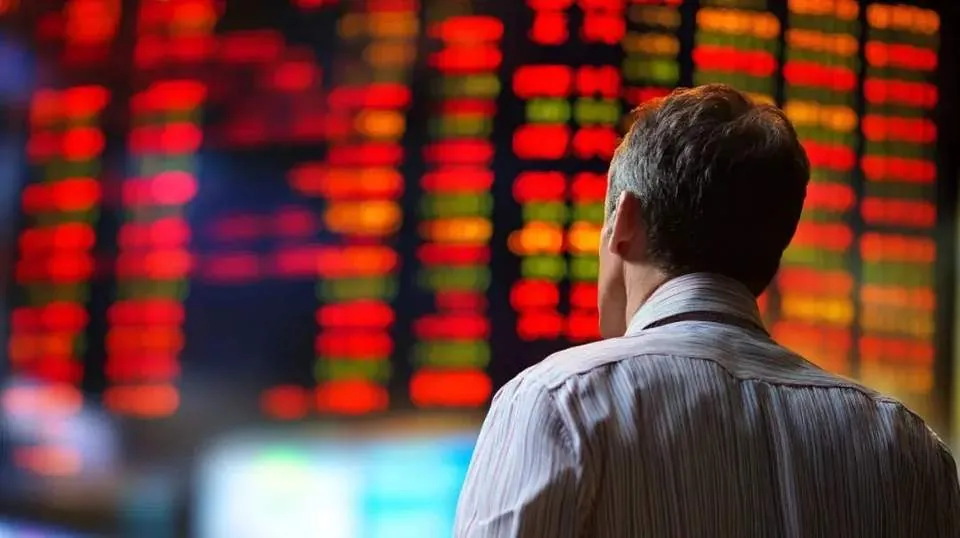
China's A-share market is unlike anything in the West. In the US or UK, institutional investors dominate trading volume. In China, it's the opposite — retail investors (散户, sǎnhù) are the lifeblood of the market. These aren't Wall Street types with Bloomberg terminals. They're ordinary people: retirees checking stocks between morning exercises, factory workers trading on breaks, office employees sneaking peaks at tickers during meetings.
The scale is staggering. China Securities Depository and Clearing reports over 220 million stock trading accounts. When you factor in family members whose savings are pooled into these accounts, the number of people with skin in the game easily hits 250 million — roughly the population of Indonesia.
This is what makes Chinese markets so unpredictable. Decisions aren't driven solely by earnings reports and analyst models. They're driven by sentiment, rumors, social media hype, and the collective mood of a quarter-billion people.
The Apps That Made Everyone a Trader
The retail investing boom wouldn't exist without China's consumer internet. Apps like East Money (东方财富) and Tonghuashun (同花顺, THS) turned stock trading into mass-market entertainment. Think Robinhood, but at ten times the scale — East Money alone has over 100 million monthly active users.
These platforms offer real-time quotes, discussion forums that rival Reddit's WallStreetBets in chaos, financial news feeds, and one-tap trading. They've gamified investing in ways that blur the line between finance and fun.
And then there's the content ecosystem. Financial influencers on Douyin (抖音), Weibo (微博), and Xiaohongshu (小红书) have built massive followings analyzing stocks and dispensing tips — often with more charisma than accuracy. Stock-picking livestreams regularly draw hundreds of thousands of viewers. When a popular financial KOL makes a call, it can move markets.
Why the State Is Stepping In Now
The headline doesn't specify exactly which regulatory measure triggered this coverage, but the context writes itself. Chinese regulators have been tightening screws on market abuse throughout 2024: stricter delisting rules for zombie companies, increased penalties for fraud and manipulation, enhanced IPO disclosure requirements, and crackdowns on unlicensed financial influencers who pump stocks to followers.
The logic is clear. When 250 million people have money in your market, their confidence isn't just an economic concern — it's a social stability issue. Mass retail losses erode trust in institutions. And in China's interconnected digital ecosystem, anger spreads faster than market data.
The "Leek" Meme: Dark Comedy of the Masses
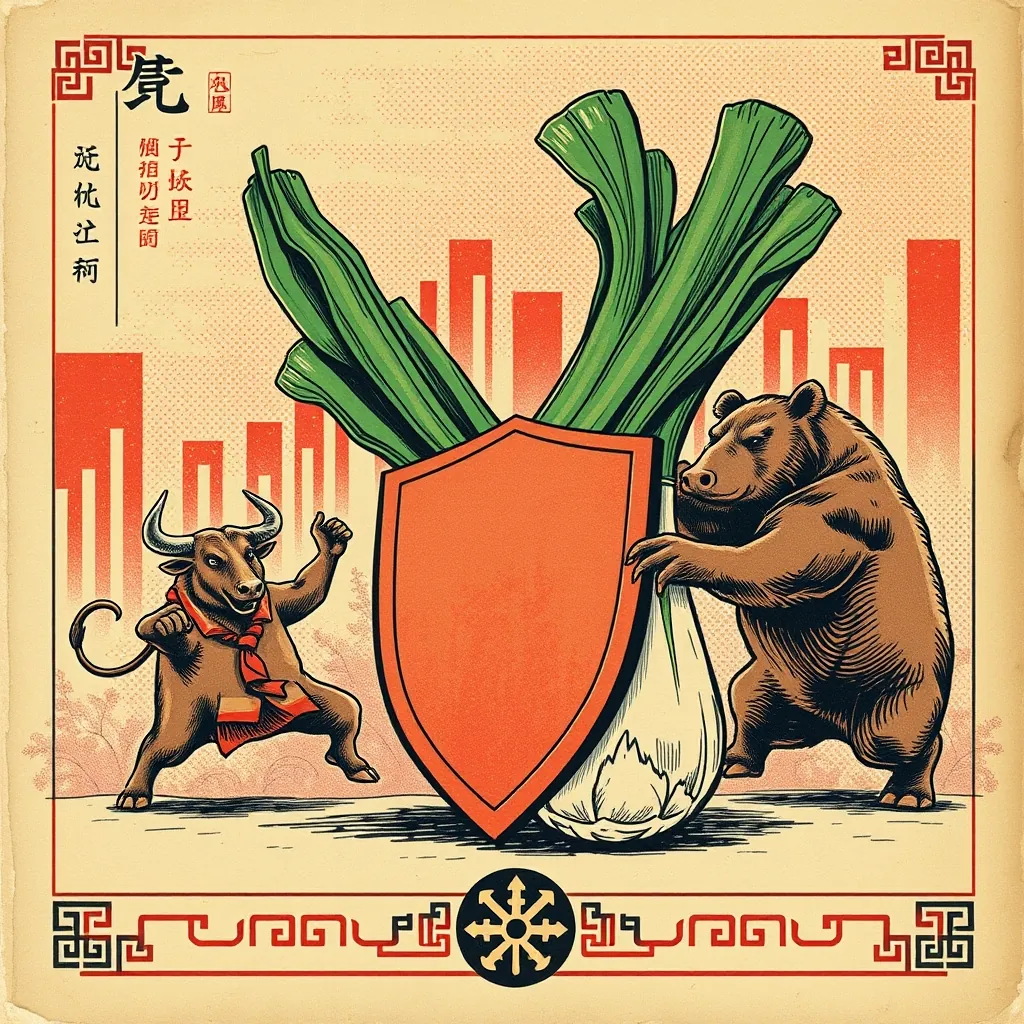
No discussion of Chinese retail investing is complete without the defining meme of the culture: 韭菜 (jiǔcài, "leeks"). The joke is brutal and self-aware: retail investors are leeks that get harvested by institutional players, only to grow back and be harvested again. It's the kind of gallows humor that reveals deep resignation.
When markets tank, social media floods with leek memes. When stocks rally, the leeks proudly declare they've "grown back." This self-deprecating humor isn't just coping mechanism — it's a form of collective identity. Being a leek means you're in the game, you know the odds are stacked against you, and you're playing anyway.
What This Reveals About Chinese Consumer Culture
The "250 million retail investors" headline matters because it illuminates something fundamental: the deep Chinese belief in the possibility of getting rich through markets, despite ample evidence that most retail investors lose money.
This connects to broader consumer trends. Property investment — once the default wealth-building strategy — has lost its luster. Bank deposit rates are historically low. With fewer options for growing savings, the stock market remains one of the few accessible avenues for ordinary Chinese people to chase returns.
The trading apps understand this psychology perfectly. Their interfaces are designed for engagement, not education. Red and green tickers trigger dopamine. Leaderboards turn trading into competition. Discussion forums create FOMO. It's the same attention-engineering playbook used by Douyin and Xiaohongshu — applied to your life savings.
Our Take
Protecting retail investors is both genuinely necessary and politically astute. China's散户 have been burned repeatedly — by pump-and-dump schemes, companies cooking books, insider trading. Stricter enforcement isn't just good governance; it's essential to maintaining credibility of a system that 250 million people have staked their dreams on.
But here's the uncomfortable truth no regulation can fix: most retail investors trade on emotion, not analysis. They buy high, sell low, chase trends, and fall for narratives. The leeks will keep growing back no matter how many rules you write.
What's really telling is that this headline trended at nearly 40 million热度. That's not just news consumption — that's 250 million people asking whether someone, anyone, is looking out for them in a game where the house usually wins.
The answer, apparently, is: yes, at least a little. Whether it's enough is another question entirely.