China's Gen Z Teachers Are Breaking the Education Matrix
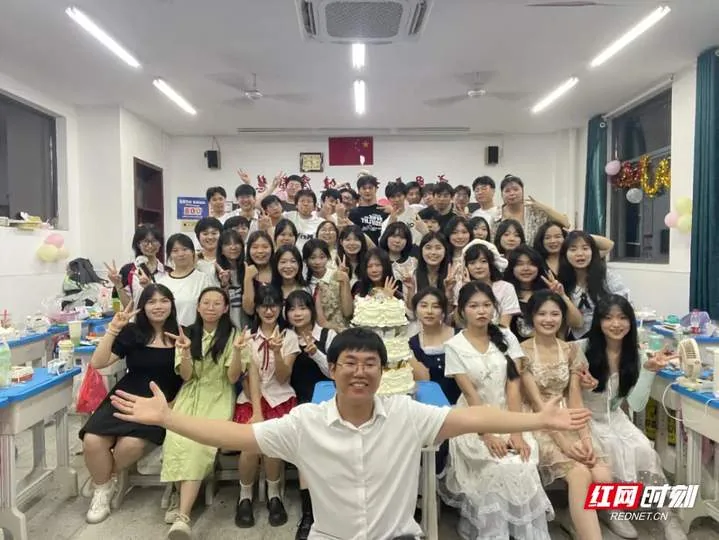
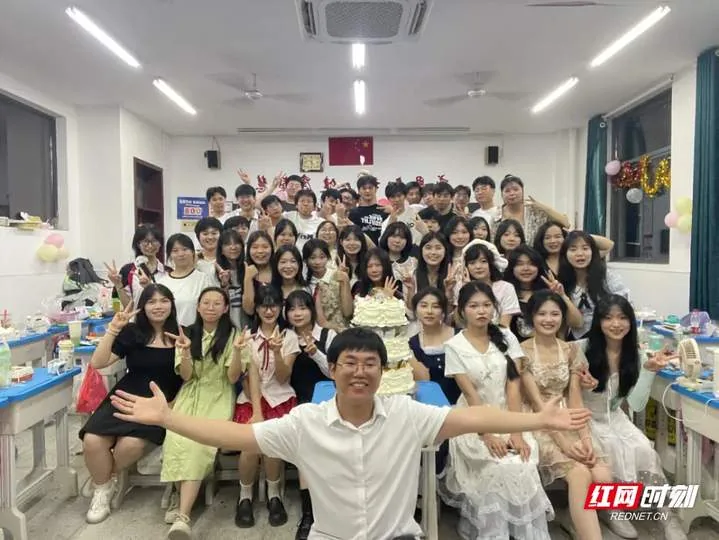
Here's what's dominating Toutiao (今日头条) right now: a post-00s homeroom teacher—someone barely old enough to rent an apartment without a parent co-signing—took the absolute worst-performing class in the entire grade and dragged them to number one. The headline「00后班主任把垫底班带到年级第一」has racked up over 810,000 engagements, and honestly, it's not hard to see why. China loves an underdog story, but this one hits different because it's not about some seasoned educator with decades of pedagogical wisdom. It's about a kid teaching kids.
Let's be real about what's happening here. China's education system is brutal—gaokao (高考) pressure, tiger parents, after-school tutoring that was technically banned but never really died. The whole apparatus runs on the assumption that experience equals results. Older teachers get the good classes. Young teachers get the scraps. It's a hierarchy as rigid as anything in corporate China.
Except this young teacher looked at the bottom-ranked class and apparently said "hold my bubble tea."
The details are sparse—this is Toutiao, not an academic journal—but the narrative is clear: fresh graduate, probably still figuring out their own life, assigned to the class everyone had written off, and then delivered results that made every veteran teacher question their PowerPoint slides.
Here's why this matters beyond warm fuzzies:
1. The Post-00s Are Not What China Expected
China's Gen Z—born after 2000, raised on WeChat and Bilibili (B站)—was supposed to be the "lying flat" (躺平) generation. The narrative was that they'd given up, that they were too soft, too coddled by prosperity. Instead, they're walking into schools and outperforming teachers with 20 years of experience. This story validates something Chinese millennials have suspected: the kids are alright. Better than alright. They might actually be built different.
2. Education Content Is Secretly China's Biggest Entertainment
On Douyin (抖音), education-adjacent content generates billions of views annually. It's not just study tips—it's drama, transformation arcs, underdog victories. The homeroom teacher who cares. The student who overcomes poverty. The class that goes from worst to first. These narratives hit the same dopamine receptors as a perfectly edited K-drama, except they're allegedly real.
Dong Yuhui (董宇辉) built an empire on this exact energy at East Buy (东方甄选). The former tutor turned livestream sensation proved that Chinese audiences will absolutely consume educational content if you package it with enough emotional storytelling. This trending story is the same formula, different medium.
3. It Reveals How Broken the System Actually Is
Nobody's asking the obvious question: why was this class at the bottom in the first place? If a fresh graduate can take them to number one in one semester (or however long it took), what were the previous teachers doing? The answer is uncomfortable. China's education system, for all its reputation for excellence, has massive quality variance. Good teachers get good classes. Bad teachers pass their failures downstream. The students suffer.
This story went viral because it's a systemic critique disguised as inspiration porn. Everyone sharing it knows exactly what it implies about the teachers who couldn't.
4. The Data Points Are Staggering
810,000+ engagements on a single headline about a teacher. Not a celebrity. Not a scandal. A teacher. In China, where education anxiety drives an estimated $100+ billion annual spend (even post-crackdown), this resonance makes complete sense. Every parent sharing this story is thinking: "Could a young teacher do this for MY kid?"
It's also worth noting that Toutiao's algorithm—the same recommendation engine that powers ByteDance (字节跳动)—pushed this to the top. The algorithm knows what you click. It knows that Chinese users will engage with education transformation stories more than almost anything else. This isn't organic virality. It's machine-optimized emotional manipulation, and it works beautifully.
5. What This Means for EdTech's Quiet Comeback
China's $100 billion tutoring industry was supposedly dismantled in 2021's "Double Reduction" (双减) crackdown. Spoiler: it wasn't. It mutated. Online platforms, individual tutors, and AI-powered learning tools have quietly filled the gap. Companies like TAL Education and New Oriental have pivoted to livestreaming (again, Dong Yuhui) and other formats while maintaining core education businesses.
Stories like this teacher's miracle run fuel demand. Every parent who reads it thinks: "I need to find someone like this for my child." The market responds. The ecosystem survives. Beijing policy or not, education competition remains China's most resilient industry.
The Takeaway
China's internet runs on stories that validate deeply held cultural beliefs while subtly challenging systemic failures. This trending headline does both: it celebrates the post-00s generation's capability while exposing how little the old guard actually delivers. It's inspirational content that functions as criticism.
The young teacher is a hero. The previous teachers are implicitly villains. The system that allowed this gap to exist gets a pass because focusing on it would require confronting uncomfortable truths about meritocracy and credentialism.
Classic Chinese internet: punch up, but not too far up. Celebrate the individual, ignore the structure. Make it go viral, then move on to the next dopamine hit.
But for 810,000+ engagements, China's internet users collectively dreamed about what education could look like if we stopped assuming experience equals competence and started paying attention to actual results. That dream, however fleeting, is worth noticing.