Harbin's Fallen Tree Crushes Cars, Breaks Internet
Something is very wrong with the Chinese internet when a tree falling on cars in Harbin (哈尔滨) gets more engagement than most product launches. But here we are.
The headline 「哈尔滨一大树被风刮倒砸中多辆车」 — roughly "Harbin: Large tree blown down by wind, crushing multiple vehicles" — has been sitting pretty on Toutiao's (今日头条) hot board with a scorching 794,204 heat index. That's not quite DeepSeek-level fever, but it's enough to make corporate PR teams weep into their baijiu.
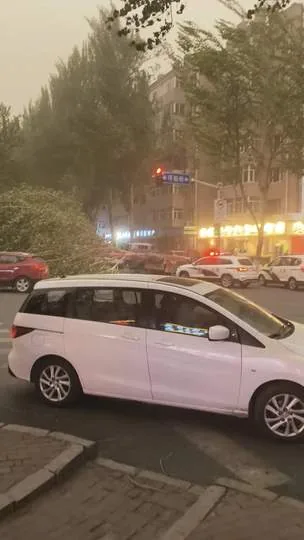
Let me set the scene: Harbin, the northeastern Chinese city best known internationally for its Ice and Snow World festival (哈尔滨冰雪大世界), experienced a wind event strong enough to topple a mature tree directly onto a row of parked vehicles. Multiple cars. One ambitious tree. Total chaos captured on smartphone cameras and uploaded to China's content-hungry platforms within minutes.
Now, you might reasonably ask: why does this matter? It's just weather damage. Trees fall. Cars get crushed. Insurance handles it. Move along.
But you'd be missing the point entirely.
The Anatomy of a Viral Nothing-Burger
Here's what's actually happening: Chinese short-video platforms — primarily Douyin (抖音) but also Kuaishou (快手) — have created an insatiable content vacuum. The algorithms that power these platforms don't care about "importance" in any traditional journalistic sense. They care about engagement metrics: watch time, shares, comments, the involuntary gasp you make when you see something get destroyed.
A tree crushing cars delivers all of these in spades:
- Visual drama: Green canopy meets metal. Gravity wins. Every time.
- Schadenfreude factor: "Glad that wasn't MY car" is a universal human emotion that transcends cultural boundaries
- Relatability: Everyone has parked under a tree. Everyone has worried about this exact scenario.
- Commentary fuel: "Who's responsible?" "Is the city liable?" "What about insurance?" — endless debate bait
This is content catnip for the Toutiao algorithm, which surfaced it to nearly 800,000 engaged users who presumably had better things to do with their afternoon.
The Harbin Effect
There's an additional wrinkle here that China-watchers should appreciate. Harbin experienced an unprecedented tourism boom in winter 2023-2024, when the city affectionately nicknamed "尔滨" became the darling of Chinese social media. Millions of southern Chinese tourists flooded north to experience ice sculptures, frozen rivers, and the bizarre spectacle of Siberian tigers eating donkeys.
That moment transformed Harbin from "that cold northeastern city" into a character in China's national conversation. Content featuring Harbin — even negative content, even "tree falls on cars" content — gets an algorithmic boost simply because the city has been trending. The internet's version of fame: you're not just a place anymore, you're a brand.

Infrastructure Anxiety as Entertainment
But there's something deeper going on with this viral moment, and it touches on genuine anxieties in Chinese urban life.
China's cities have undergone massive greening campaigns over the past two decades. Tree-lined streets are municipal status symbols. Harbin, with its Russian-influenced urban planning, has some genuinely impressive mature trees — poplars, willows, and elms that have been growing since the days when " Harbin" was still spelled "Харбин" on official documents.
But mature trees plus extreme weather events plus densely parked vehicles equals exactly what you'd expect. And as climate change intensifies weather volatility across northern China, these incidents are becoming more common.
The viral tree video isn't just entertainment — it's a visual representation of infrastructure stress that Chinese urban planners would rather you didn't think about. But the algorithm doesn't care about urban planning sensitivities. It cares about clicks.
The Insurance Question Nobody Can Answer
One of the most fascinating aspects of these viral "destruction" videos in China is the comment section debates about liability. Chinese compulsory auto insurance (交强险) covers traffic accidents, but a tree falling on a parked car? That's where things get complicated.
Is the city responsible for not maintaining the tree properly? Is the property management company liable? Does comprehensive coverage (车损险) even apply when an "act of God" does the damage? These questions generate hundreds of comments from armchair lawyers and actual insurance agents who apparently have nothing better to do than argue in Toutiao comment sections.
This is genuinely useful content masquerading as entertainment. Chinese consumers are learning about insurance coverage through viral destruction videos. It's educational! Sort of. In the same way that watching someone slip on ice teaches you about friction coefficients.
What This Reveals About Chinese Content Culture
The real story here isn't the tree. It's never the tree. The story is what China's content ecosystem chooses to amplify and why.
When 794,204 people engage with footage of a tree falling on cars, they're telling us something about the Chinese internet in 2024-2025:
Local news has become national entertainment: Provincial incidents that would have stayed local a decade ago now reach national audiences within hours
Destruction content is universal: Whether it's a tree in Harbin or a sinkhole in Chengdu, watching things get destroyed transcends all demographic boundaries
The algorithm is the editor: Toutiao's recommendation engine, not human editors, decides what millions of Chinese users see each day. And the algorithm loves drama.
Relatability beats importance: A tree crushing cars matters more to the average user than most policy announcements, economic data, or diplomatic developments
This last point is perhaps the most significant for anyone trying to understand Chinese digital culture. The content that wins isn't necessarily the content that matters most — it's the content that makes people feel something. And watching a tree fall on someone else's car? That feels pretty good.
Until it's your car. Then it feels like content for someone else's afternoon scroll.
The tree, meanwhile, has been removed. The cars have been towed. Harbin's urban forestry department has reportedly increased tree inspections. And somewhere in China, another tree is leaning slightly too far to the left, waiting for its moment to go viral.
Such is the circle of life on the Chinese internet.