Huawei's Bold Pitch: Buy HarmonyOS or Get Scammed
Richard Yu (余承东), Huawei's irrepressible consumer chief, has never been accused of subtlety. But his latest gambit—telling Chinese consumers that the path to scam protection runs straight through HarmonyOS (鸿蒙)—might be his most brazen marketing flex yet.
The headline blazing across Toutiao (今日头条) with over 12.5 million热度 reads simply: 「余承东:防诈骗买鸿蒙」—"Yu Chengdong: To prevent fraud, buy HarmonyOS." It's the kind of blunt, almost absurdly direct pitch that makes Western marketing professors weep and Chinese netizens cackle. But beneath the meme-worthy bluntness lies a genuinely fascinating story about trust, ecosystem warfare, and how China's smartphone bloodbath has evolved into something far stranger.
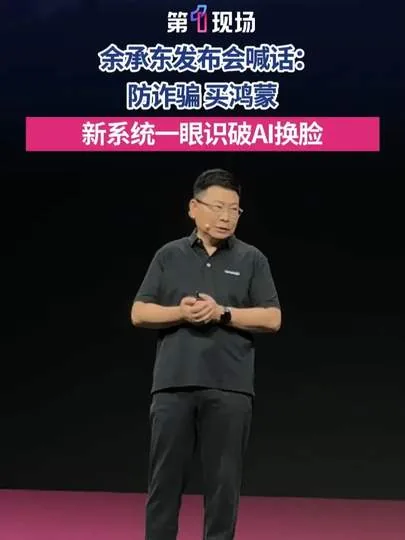
Let's be clear about what's happening here. Telecom fraud (电信诈骗) is a genuine social crisis in China. Grandparents lose life savings to phone scammers. College students get drained by fake loan apps. The government has launched massive anti-fraud campaigns, mandated anti-fraud apps, and periodically drags convicted scammers onto state TV for public shaming. It's a real problem that touches hundreds of millions of people.
Enter Yu Chengdong, stage left, pointing at HarmonyOS like a preacher brandishing scripture.
The technical claim isn't entirely hollow. HarmonyOS does integrate AI-powered fraud detection at the operating system level—flagging suspicious calls, blocking malicious links, warning users about potential scams in real-time. It's the kind of deep OS integration that Android variants can theoretically achieve but rarely implement as systematically. When you control the whole stack, from silicon to interface, you can bake in protections that third-party ROMs struggle to match.
But let's not pretend this is pure public-spirited altruism. This is Huawei (华为) playing the long game in China's smartphone wars, where technical specs have become commoditized and the real battlefield is ecosystem lock-in.
Here's the uncomfortable truth that Yu understands: fear sells better than features. Chinese consumers have been bombarded with megapixel counts, charging speeds, and AnTuTu benchmarks until their eyes glaze over. But mention "your mother might get scammed out of her pension" and suddenly everyone's paying attention.
The strategy is vintage Yu Chengdong—slightly crass, undeniably effective, and delivered with the kind of straight-faced chutzpah that's made him China's most meme-worthy tech executive not named Lei Jun (雷军). This is the man who once claimed Huawei phones would "surpass Apple in two years" and who regularly posts Weibo (微博) flexes that read like a hype man's fever dream. He's the executive China loves to mock and secretly respects, because the results keep coming.
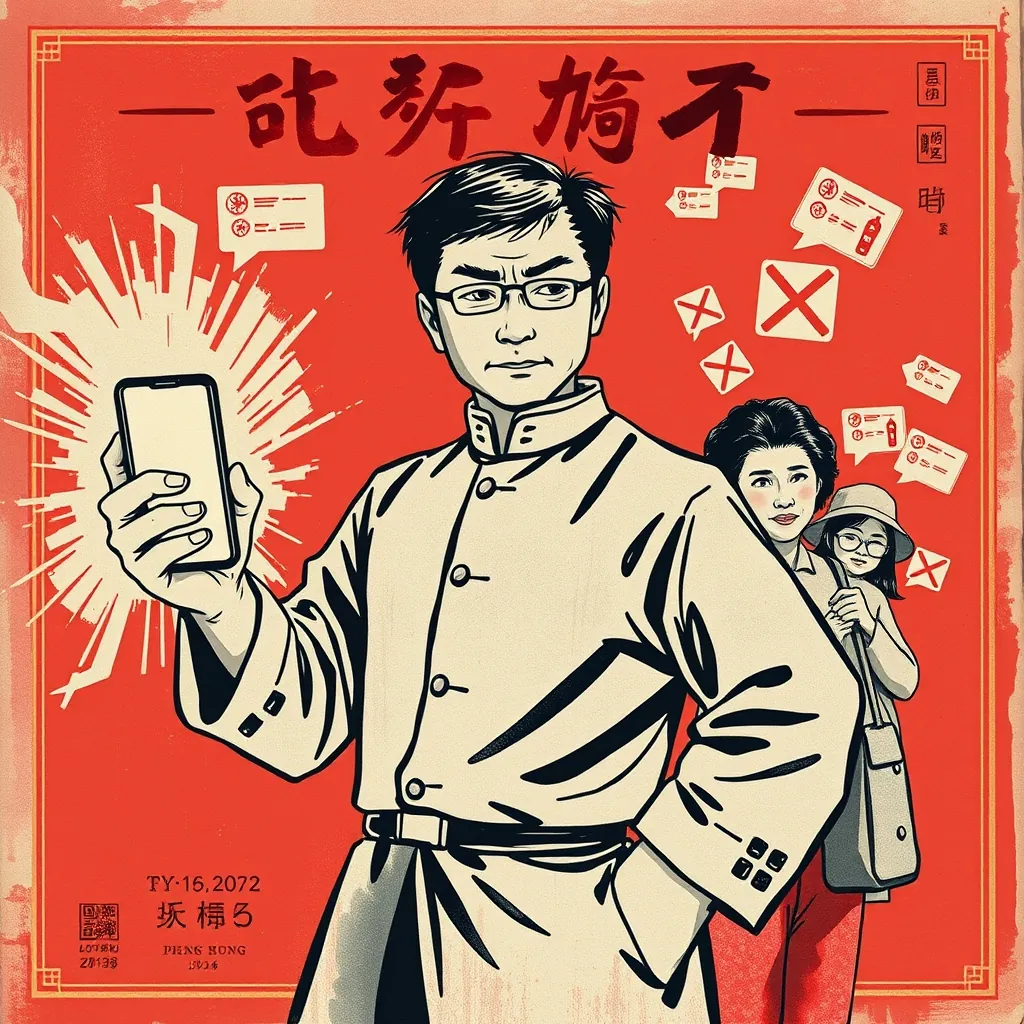
What makes this moment significant is what it reveals about where China's consumer tech wars are headed. The era of competing on hardware specs is ending. The new frontier is trust-as-a-service—the promise that your device won't just be faster or have a better camera, but will actively protect you from a hostile digital environment.
Huawei is uniquely positioned for this pivot because its entire brand narrative since 2019 has been about resilience against external threats. First it was U.S. sanctions threatening to kill the company. Now it's scammers threatening your bank account. The through-line is protection, self-reliance, and the implicit promise that Huawei's vertically integrated ecosystem can keep you safe in ways that fragmented Android alternatives cannot.
The timing is deliberate. HarmonyOS NEXT—the version that fully divorces from Android compatibility—is rolling out, and Huawei needs every psychological lever to convince developers and users to commit to a genuinely new platform. Telling people that HarmonyOS will protect grandma from phone scammers isn't just marketing; it's ecosystem construction through emotional blackmail.
Netizen reactions have been predictably split. On Douyin (抖音), clips of Yu's pitch have spawned a thousand comment-section debates between "actually, the anti-fraud features are legit" and "this is just fear-mongering to sell phones." On Weibo, the phrase has become a quasi-meme, with users jokingly suggesting other life problems HarmonyOS might solve: bad dates, tax audits, male pattern baldness.
But beneath the jokes, the engagement metrics tell the real story. Twelve million heat points on Toutiao means this message is penetrating. Yu has taken a dry technical feature—OS-level scam detection—and weaponized it into a cultural conversation. That's not nothing.
The deeper play is about China's aging demographics. The most vulnerable to telecom fraud are older Chinese with smartphones but limited digital literacy—the exact demographic that Huawei's brick-phone reputation still resonates with. By positioning HarmonyOS as the "safe" choice, Yu is targeting the people who actually buy phones based on trust rather than benchmark scores.
This is consumer tech marketing in 2024 China: not "our camera has more megapixels" but "our operating system will protect your family from criminals." It's dark, it's effective, and it's probably coming to a marketing department near you.
Whether HarmonyOS actually delivers meaningfully better fraud protection remains an open question—one that independent testing hasn't definitively answered. But in China's attention economy, the claim itself has already accomplished its purpose. Yu Chengdong has once again made Huawei the protagonist of whatever conversation he wants to dominate.
And honestly? You have to respect the audacity.