Why Chinese Media Calls Sun Li a 'Fresh African Tangerine'
Someone at a Chinese entertainment desk just earned their salary. The headline 「媒体:孙俪就像一颗新鲜的非洲橘」— "Media: Sun Li (孙俪) is like a fresh African tangerine" — has exploded across Toutiao (今日头条) with over 4.3 million impressions, and frankly, it's the most deliciously unhinged celebrity metaphor of the week.

Let me explain why this matters — and why China's entertainment-commentary industrial complex has officially gone full fruit salad.
The Woman, The Myth, The Tangerine
For the uninitiated, Sun Li is not just an actress — she's the actress. The queen of Chinese period dramas. The empress of Empresses in the Palace (甄嬛传), the 2011 series that basically invented the modern C-drama obsession and still generates memes on Bilibili (B站) like it aired yesterday. She's won every award, commands top billing fees rumored in the tens of millions of RMB, and has maintained A-list status for over a decade. In Chinese entertainment hierarchy, she's somewhere between "national treasure" and "judges your acting career from her porcelain throne."
So when a media outlet compares this woman — this empress — to a piece of citrus fruit, one must ask: What did Sun Li do to deserve this? Is it a compliment? An insult? A sponsored post from the African citrus lobby?
The answer reveals everything about how Chinese entertainment coverage works in 2024.
The Anatomy of a Viral Fruit Metaphor
Here's what apparently happened: Sun Li made a public appearance — likely a red carpet, a brand event, or a Douyin (抖音) moment that got screenshot into oblivion — looking, by all accounts, glowing, vibrant, and annoyingly well-maintained for someone juggling two kids and a career that would kill a mortal.
Some editorial genius at a Chinese entertainment outlet needed a headline. Not just any headline. A headline that would stop thumbs on the Toutiao feed. The algorithm demands novelty. The audience demands poetry. The editor demands clicks before lunch.
Enter: the African tangerine.
Why African? Exotic, unexpected, slightly absurd. Why tangerine? Round, bright, juicy, sweet-but-with-edge. Why "fresh"? Because "wilting African tangerine" doesn't sell, Karen.
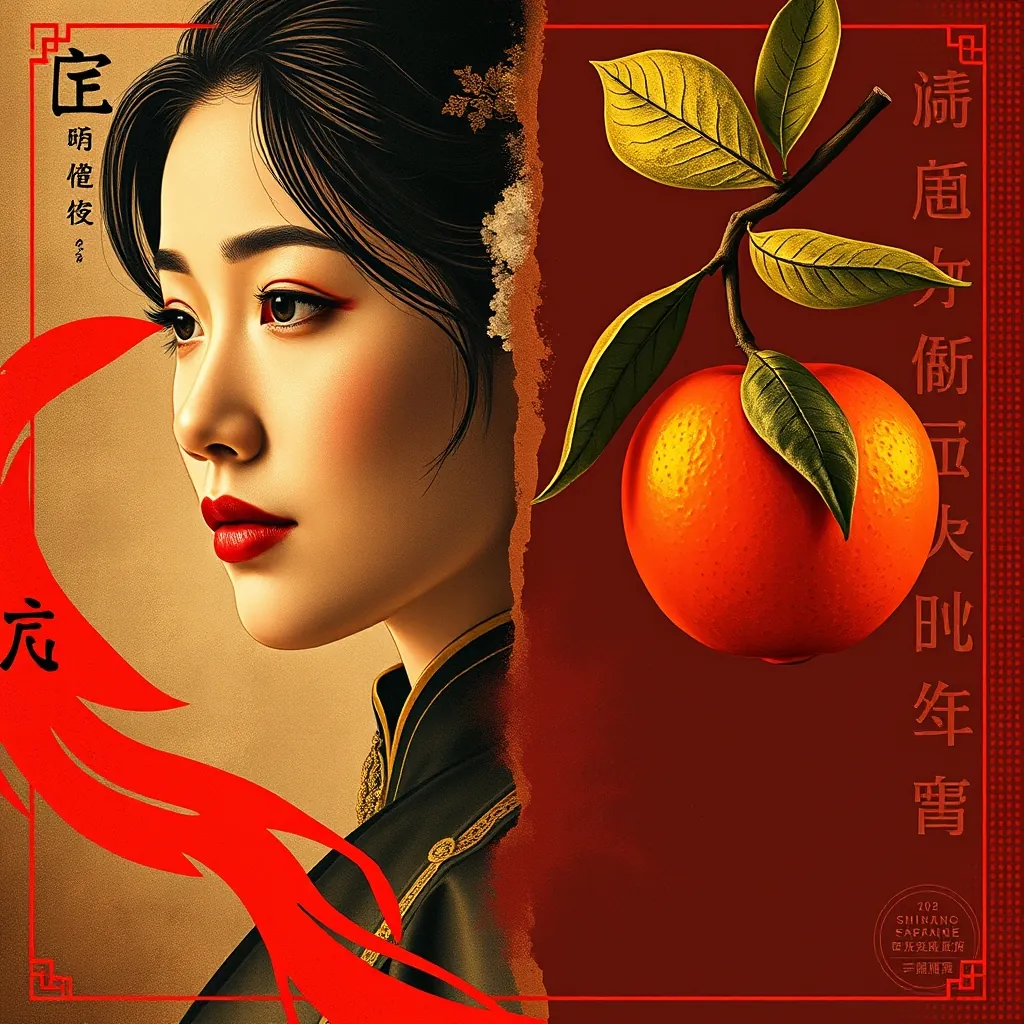
The metaphor is actually quite specific in its imagery: African tangerines (进口非洲橘) are a thing in Chinese fruit markets — they're sold as premium imports, bright orange, slightly tart, undeniably eye-catching. They're the kind of fruit you see on Xiaohongshu (小红书) lifestyle posts with captions about "self-care" and "living your best life." Comparing a 42-year-old actress to one is basically saying: she's vibrant, she's premium, she's got that import-quality glow, and she might be slightly acidic if you cross her.
The Fruitification of Chinese Celebrity Coverage
This isn't isolated. Chinese entertainment media has been running a full fruit-based economy for celebrity descriptions for years:
- "Watermelon face" (西瓜脸) — round, cute, approachable
- "Cherry lips" (樱桃小嘴) — delicate, classic beauty standard
- "Lemon yellow" (柠檬黄) — fresh, youthful styling
- "Peach-like skin" (水蜜桃肌肤) — the ultimate glowing-skin compliment
But what's changed is the escalation. As competition for attention on Toutiao, Douyin, and Weibo (微博) has intensified — with AI-recommended feeds serving content based on click-through rates — headline writers have entered an arms race of absurdity. A-listers can no longer be "beautiful." They must be authenticated as premium imported produce.
The algorithm rewards novelty. Novelty rewards weirdness. Weirdness rewards whoever can compare Sun Li to African citrus before a competitor compares her to a Taiwanese mango.
What This Says About Chinese Content Economics
This headline is trending at 4.3 million impressions not because people deeply care about the fruit-actress correspondence theory. It's trending because it's arresting. It creates what Chinese content strategists call "好奇心缺口" (curiosity gap) — that micro-moment where your brain goes "wait, WHAT?" and you click before you can stop yourself.
In the attention economy of Chinese platforms — where Toutiao's algorithm serves millions of competing headlines, where Douyin creators fight for 0.3-second thumb-stops, where Weibo hot searches can be bought and sold like futures — the humble metaphor has become a weapon of mass engagement.
And the numbers prove it works. Sun Li's name trending alongside "African tangerine" generates more crossover engagement than "Sun Li attends event" ever could. Lifestyle accounts pick it up. Fruit enthusiasts get involved. Memes spawn. Someone on Bilibili will inevitably make a video ranking celebrities by fruit. Xiaohongshu beauty bloggers will post "African Tangerine Glow" makeup tutorials.
The fruit becomes the story. The story becomes the trend. The trend becomes content. The content becomes more fruit. It's self-sustaining agricultural-entertainment fusion.
My Take: Respect the Produce
Look, I'm not going to sit here and tell you that comparing one of China's finest dramatic actresses to a tangerine is high journalism. But I will say this: in an era where American celebrity coverage has devolved into "[Celebrity] Steps Out in [Brand] After [Ex] Split," at least Chinese media is trying creatively.
Is it stupid? Absolutely. Is it memorable? Completely. Did I write 800 words about it? Guilty as charged.
Sun Li, if you're reading this — and you're probably not, because you're busy being a fresh African tangerine — embrace it. In a Chinese internet landscape that devours celebrities whole and spits out bones within news cycles, being compared to premium imported fruit is honestly a win.
Now excuse me while I go google "African tangerine skincare routine."