The Real Sima Yi Is Gone: China Mourns Wei Zongwan
The man who outsmarted Zhuge Liang on screen has taken his final bow.
Wei Zongwan (魏宗万) — the legendary character actor whose portrayal of Sima Yi (司马懿) in the 1994 CCTV adaptation of Romance of the Three Kingdoms (三国演义) became the gold standard for one of Chinese history's most brilliant and divisive strategists — has died. The news exploded across Toutiao (今日头条) with over 10.7 million热度, dominating the platform's hot board and triggering a flood of tributes across Weibo (微博), Douyin (抖音), and Bilibili (B站).
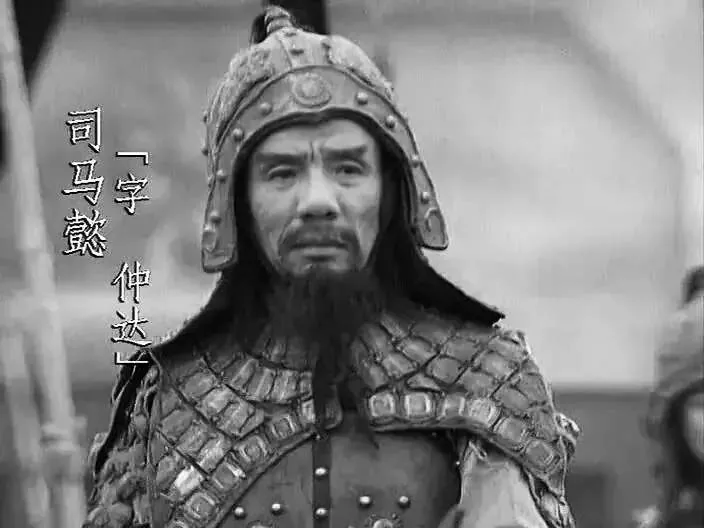
If you're not steeped in Chinese popular culture, let me paint the picture. The '94 Three Kingdoms isn't just a TV show in China — it's a cultural institution, a shared reference point that transcends generations in a way Americans might understand through The Godfather or Star Wars, but arguably even more pervasive. And Sima Yi, the wily strategist who ultimately outlasted the brilliant Zhuge Liang to establish the Jin Dynasty, is one of its most magnetic characters. Wei Zongwan didn't just play him. He became him.
Here's what makes Wei's passing particularly resonant right now: we're living through a Sima Yi moment in China's tech landscape. The guy's entire brand was patient endurance — playing the long game, waiting for opponents to exhaust themselves, striking when the moment was right. Sound familiar? It's basically the playbook of every Chinese AI lab right now. DeepSeek (深度求索) quietly building world-class models while Western labs burn cash on compute. ByteDance (字节跳动) letting others fight the first battles before deploying Doubao (豆包) at scale. Zhipu (智谱) steadily shipping upgrades to GLM while everyone else chased headlines.
The Three Kingdoms metaphors are everywhere in Chinese business commentary. Jack Ma famously loved them. Tech executives routinely reference character archetypes from the novel in strategy discussions. When Bilibili (B站) users post analysis videos about corporate competition, they default to Three Kingdoms frameworks. Wei Zongwan's Sima Yi — cagey, brilliant, willing to endure humiliation for ultimate victory — has become shorthand for strategic patience in a culture obsessed with that quality.
What's striking about the Toutiao reaction is the demographic slice it reveals. This isn't Gen Z driving the conversation. The hot board engagement skews older — people who grew up with the '94 series as primetime event television, families gathering around a single TV set, debates about loyalty and ambition playing out in living rooms across the country. When Chinese netizens of a certain age say someone is "like Sima Yi," they're channeling Wei's specific performance: the calculating squint, the measured speech, the way he could convey entire strategic calculations through a slight shift in posture.
But here's the unexpected twist: Three Kingdoms content is absolutely booming among young Chinese audiences too. On Xiaohongshu (小红书), strategy breakdowns using Three Kingdoms characters rack up millions of views. On Bilibili (B站), fan-edited clips of Wei's Sima Yi scenes — particularly his legendary empty-city-counterpsychology moments — get remixed with modern hip-hop beats and AI-enhanced visuals. The character has transcended his historical origins to become a meme-able archetype of strategic thinking, and Wei's performance is the visual foundation for all of it.
The entertainment angle matters too. Wei Zongwan was a working actor's actor — not a celebrity in the modern social-media-optimized sense, but a craftsman who built an extraordinary career through sheer skill. Born in 1938, he spent decades in theater before becoming one of China's most reliable character actors. His filmography spans everything from serious historical dramas to comedies. But it was Sima Yi that immortalized him, the role that defined not just his career but an entire generation's understanding of strategic genius.
In today's Chinese entertainment landscape — dominated by idol culture, livestream commerce personalities like Dong Yuhui (董宇辉) at East Buy (东方甄选), and algorithmically-optimized content — Wei represents something increasingly rare: pure reputation built on craft. The outpouring of genuine grief online feels different from typical celebrity death coverage. There's a specific note of cultural loss, a recognition that an irreplaceable interpreter of Chinese historical consciousness has passed.
The numbers tell the story. Toutiao's 10.7 million热度 reading isn't celebrity gossip traffic — it's cultural event traffic. Weibo tributes from entertainment industry figures consistently mention specific scenes, specific line deliveries. Douyin montages of Wei's greatest moments are racking up view counts typically reserved for viral challenges and pop-star drama. This isn't performative mourning; it's a genuine collective recognition of cultural significance.
What Wei Zongwan's death really reveals is how deeply historical drama still anchors Chinese cultural identity, even in an era of AI chatbots, humanoid robots from companies like Unitree (宇树科技), and algorithmic content feeds. The Three Kingdoms isn't dead history in China — it's a living framework for understanding power, loyalty, strategy, and human nature. And the actors who brought it to life in that landmark 1994 production aren't just performers; they're cultural infrastructure.
As Chinese AI labs race toward AGI and robot startups promise humanoid assistants in every home, the figures that really shape how Chinese people think about the future are still, in many ways, Sima Yi, Zhuge Liang, and Cao Cao — men who lived nearly two millennia ago but whose strategic archetypes remain startlingly relevant.
Wei Zongwan understood that better than anyone. His Sima Yi wasn't a villain or a hero — he was the patient survivor, the one who played the longest game and won. In China's current moment of technological ambition and global competition, that archetype has never felt more alive.
Rest in peace, old fox. You played the game better than anyone.