Monks vs. 33°C Heat: White Horse Temple's Wheat Harvest Breaks the Chinese Internet
While the rest of China was melting into their air-conditioned screens, monks at White Horse Temple (白马寺) were out in 33°C (91°F) heat, harvesting wheat and spreading it to dry in the scorching sun. A video of this scene went viral on Toutiao (今日头条), racking up a blazing hot score of over 600,000 — and suddenly, everyone had opinions about monks doing farm work.
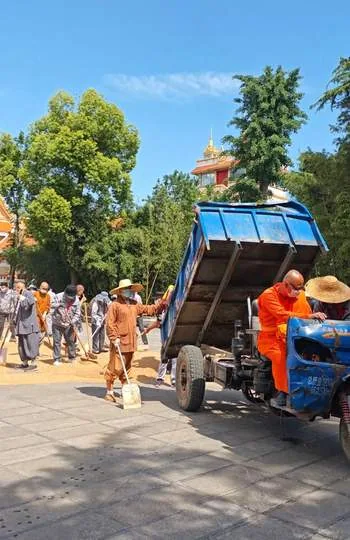
Let's be clear about what White Horse Temple is. Founded in 68 AD during the Eastern Han Dynasty, it's widely regarded as the cradle of Chinese Buddhism — the place where Indian monks first translated Buddhist scriptures into Chinese. We're talking about a place that predates the Tang Dynasty, the Forbidden City, and basically every other historical landmark tourists flock to. This isn't some roadside temple. This is the temple. And its monks are out here doing manual labor that would make most influencers faint.
The video, which spread across Toutiao, Douyin (抖音), and Weibo (微博), shows saffron-robed monks wielding sickles, cutting golden wheat stalks under a blistering sun, then carefully laying the grain out to dry on temple grounds. The temperature: 33 degrees Celsius. The vibe: serene but absolutely drenched in sweat. Internet reaction: pure, unfiltered obsession.
Here's why this matters more than you think.
First, we need to talk about the algorithmic appetite for "authentic labor" content on Chinese platforms. The Chinese internet has been flooded with rural-life content for years — think Li Ziqi (李子柒), whose cinematic farming videos earned her over 17 million YouTube subscribers before her hiatus, or the countless Douyin creators who've built empires showing rice planting, pig farming, and traditional cooking in China's countryside. The genre is so established it has its own ecosystem. White Horse Temple's monks didn't create this category, but they accidentally perfected it: ancient institution + grueling physical labor + spiritual serenity = algorithmic catnip.
Second, there's the "monk core" phenomenon. Over the past two years, Chinese social media has developed a genuine fascination with Buddhist temple life — but not the theological kind. Young Chinese people, burned out by 996 work culture and economic uncertainty, have been flocking to temples as a form of spiritual tourism and mental escape. Temple stays, meditation retreats, and even "digital detox" programs at Buddhist monasteries have surged in popularity. On Xiaohongshu (小红书), posts tagged with temple visits routinely rack up tens of thousands of likes. The angle is always the same: escape the grind, find peace, touch grass (literally).
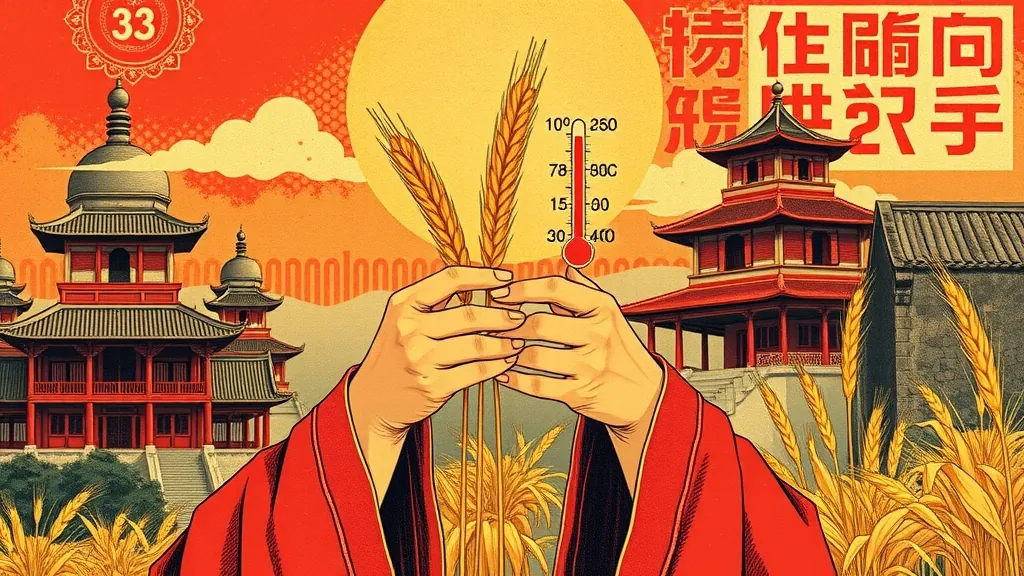
But here's the twist that made this White Horse Temple video explode: it shattered the fantasy. These monks aren't sitting around chanting sutras in air-conditioned halls. They're out in the fields, backs bent, harvesting wheat in heat that would trigger a weather advisory in most countries. The contrast between the romanticized image of temple life and the gritty reality of agricultural labor hit Chinese viewers right in the cognitive dissonance.
And oh, the comments. Toutiao users — who skew older and more working-class than, say, Xiaohongshu's demographic — were divided in the most entertaining way possible. One camp praised the monks for embodying the Zen principle of mindful labor, noting that many Buddhist traditions incorporate physical work as a form of practice. Another camp cracked jokes about how the temple probably sells the wheat at a premium. A third camp, apparently farmers themselves, offered unsolicited advice about grain-drying techniques. The discourse was chaotic, deeply Chinese, and absolutely beautiful.
What's genuinely interesting is the economic subtext. White Horse Temple, like many major Chinese religious sites, operates as both a spiritual institution and a commercial enterprise. It charges entrance fees (around 35 RMB, roughly $5), runs a gift shop, and hosts cultural events. The wheat harvest isn't just about tradition — it's about self-sufficiency and, potentially, creating products (temple-made noodles, for instance) that carry the White Horse brand. In a country where temple commerce is a multi-billion yuan industry, every grain of wheat has a story.
The broader trend here is what I'd call the "labor-as-content" economy. On Chinese platforms, physical work has become entertainment. Construction workers showing their daily routine get millions of views on Kuaishou (快手). fishermen hauling in catches at 4 AM build loyal followings on Douyin. And now, monks harvesting wheat at White Horse Temple are the latest entrants into this genre. There's something both heartwarming and slightly dystopian about millions of people watching others do hard labor from the comfort of their phones — but that's the Chinese internet in 2024.
The heat factor can't be ignored either. China has been experiencing increasingly brutal summers, with temperatures regularly crossing 40°C in multiple provinces. The fact that these monks were working in 33°C heat — which, while brutal, is actually milder than what many Chinese farmers endure — became a talking point about climate, labor, and resilience. It's the kind of story that writes its own commentary.
Ultimately, the White Horse Temple wheat harvest video works because it taps into multiple Chinese internet obsessions simultaneously: nostalgia for agricultural roots (even among urbanites who've never touched a sickle), admiration for discipline and hard work, the exotic appeal of monastic life, and the simple visual satisfaction of golden wheat being harvested by robed figures against ancient architecture. It's content alchemy.
So the next time someone tells you the Chinese internet is all about lip-sync videos and shopping livestreams, show them footage of Buddhist monks harvesting wheat at China's oldest temple in 33-degree heat. The algorithms know what they're doing. And apparently, so do the monks.