China's Obsession With the Minimum Viable Workout
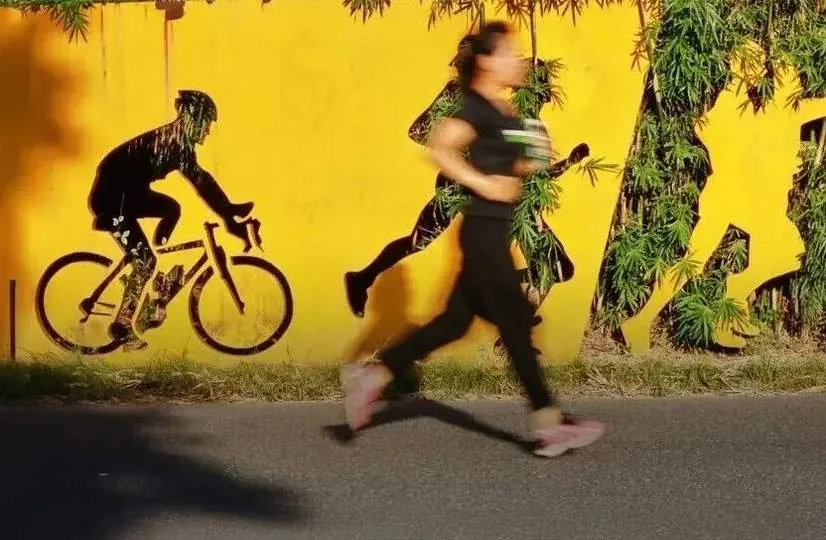
Something fascinating is happening on the Chinese internet right now, and no, it's not another DeepSeek (深度求索) benchmark triumph or a Unitree (宇树科技) robot doing backflips. It's a question that's consumed 1.39 million brains on Toutiao (今日头条) today: "How many minutes of exercise actually counts as not wasting your time?"
The original headline — 运动几分钟才算没白动 — has struck a nerve so deep it's basically acupuncture for the national soul. And honestly? It tells us everything about where Chinese consumer culture is at in 2024.
The Optimization Epidemic
Let's be clear about what's happening here. This isn't a genuine public health inquiry. This is a nation of grinders — people who've optimized their sleep with smart rings, their productivity with AI assistants, and their dopamine with algorithmically-perfect Douyin (抖音) scrolls — now trying to optimize their suffering at the gym.
The question itself is peak efficiency brain: what's the absolute minimum I can do to not die young while maximizing my ROI on time? It's the same mentality that made "躺平" (lying flat) a cultural movement and then immediately spawned a counter-movement of hyper-achievers who felt guilty about lying down.
The timing is not accidental. China's fitness industry exploded from roughly 1,700 gyms in 2008 to over 100,000 by 2023, according to industry reports. Keep (卡路里), the home workout app that went public in Hong Kong, built a empire on the back of pandemic-era home fitness anxiety. Its user base peaked around 40 million monthly active users before the great post-COVID fitness attrition hit.
The Science (And Why Everyone's Wrong)
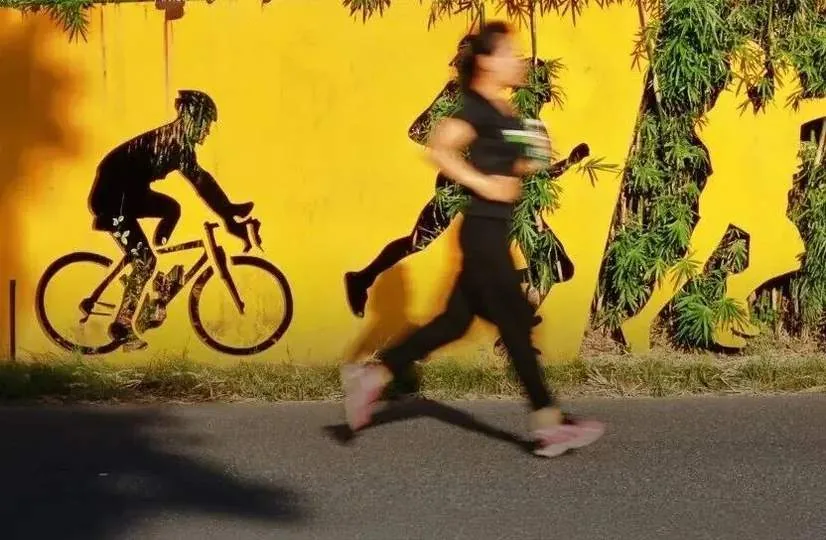
Here's where it gets fun. The Toutiao comment section has devolved into full academic warfare, with conflicting citations flying like drone swarms:
Team 3 Minutes: Citing some obscure study about high-intensity interval training being effective in microscopic doses. These are the crypto-bros of fitness — maximum gains, minimum effort, trust me bro.
Team 30 Minutes: The old guard, clinging to WHO recommendations like they're sacred scripture. Probably also do warm-up stretches and cooldown routines. Psychopaths.
Team 150 Minutes Weekly: The accountants. They've divided the weekly recommendation into daily installments and are now calculating optimal rest-day distributions. Someone has definitely made a spreadsheet.
The actual answer, according to every exercise physiologist worth their sodium, is "it depends on intensity, frequency, and your baseline fitness level." But that answer doesn't trend on Toutiao. What trends is the promise of a hack — a cheat code for your meat suit.
What This Actually Means
Beneath the surface, this trend reveals something profound about contemporary Chinese consumer psychology. After decades of breakneck economic growth, we're seeing the emergence of what I call "exhausted ambition" — the desire to maintain the aesthetics of self-improvement while acknowledging that the hustle is literally killing people.
The 996 work culture (9 AM to 9 PM, 6 days a week) that Jack Ma (马云) famously endorsed as a "blessing" has produced a generation that genuinely doesn't have time for proper exercise but feels immense social pressure to perform wellness. Enter the minimum viable workout — the fitness equivalent of paying someone else to eat your organic salad.
This is also why smart wearables have become the must-have accessory in tier-1 and tier-2 cities. Huawei (华为) wearables, Xiaomi (小米) fitness bands — these devices let you quantify your suffering, transform it into data, share it on WeChat (微信) moments. Didn't hit 10,000 steps? Your social credit isn't literally dropping, but it feels like it should.
Xiaohongshu (小红书), China's answer to Instagram if Instagram was 40% more anxiety-inducing, is full of "efficient workout" content. Search "10分钟" (10 minutes) and you'll find thousands of posts promising visible abs from what essentially amounts to aggressive fidgeting.
The AI Fitness Feedback Loop
Here's where it gets properly cyberpunk. Chinese AI companies are now training models on exactly this kind of optimization obsession. When Doubao (豆包), ByteDance's AI assistant, gets asked about exercise recommendations, it synthesizes thousands of Toutiao discussions exactly like this trending topic. The algorithm learns what people want to hear — that they can get fit in minutes — and serves it back to them, creating a feedback loop of fitness delusion.
Meanwhile, actual fitness apps powered by AI are proliferating. They promise personalized workout plans optimized for your schedule, your body type, your goals. The pitch is always the same: maximum results, minimum time. It's the technological solution to a problem technology helped create.
The Real Minimum
Look, here's the uncomfortable truth that no trending Toutiao thread wants to confront: the question itself is malformed. Exercise isn't a transaction where you input minutes and output health. The benefits compound, plateau, interact with diet, sleep, genetics, stress levels, and whether you spend 14 hours a day hunched over a phone reading hot takes about minimum viable workouts.
But that complexity doesn't fit in a headline. What fits is the promise that somewhere out there, someone has cracked the code — found the cheat that lets you have your health and your 996 schedule too.
The 1.39 million people engaging with this topic aren't really asking about exercise science. They're asking: "Is there a way to be alive without spending time being alive?" And in a nation that went from bicycles to high-speed rail in a generation, that question feels almost spiritual.
So how many minutes does it take? More than you want. Less than you fear. And exactly as many as you'll actually do consistently, which — let's be honest — is probably zero. But hey, at least you optimized the question.